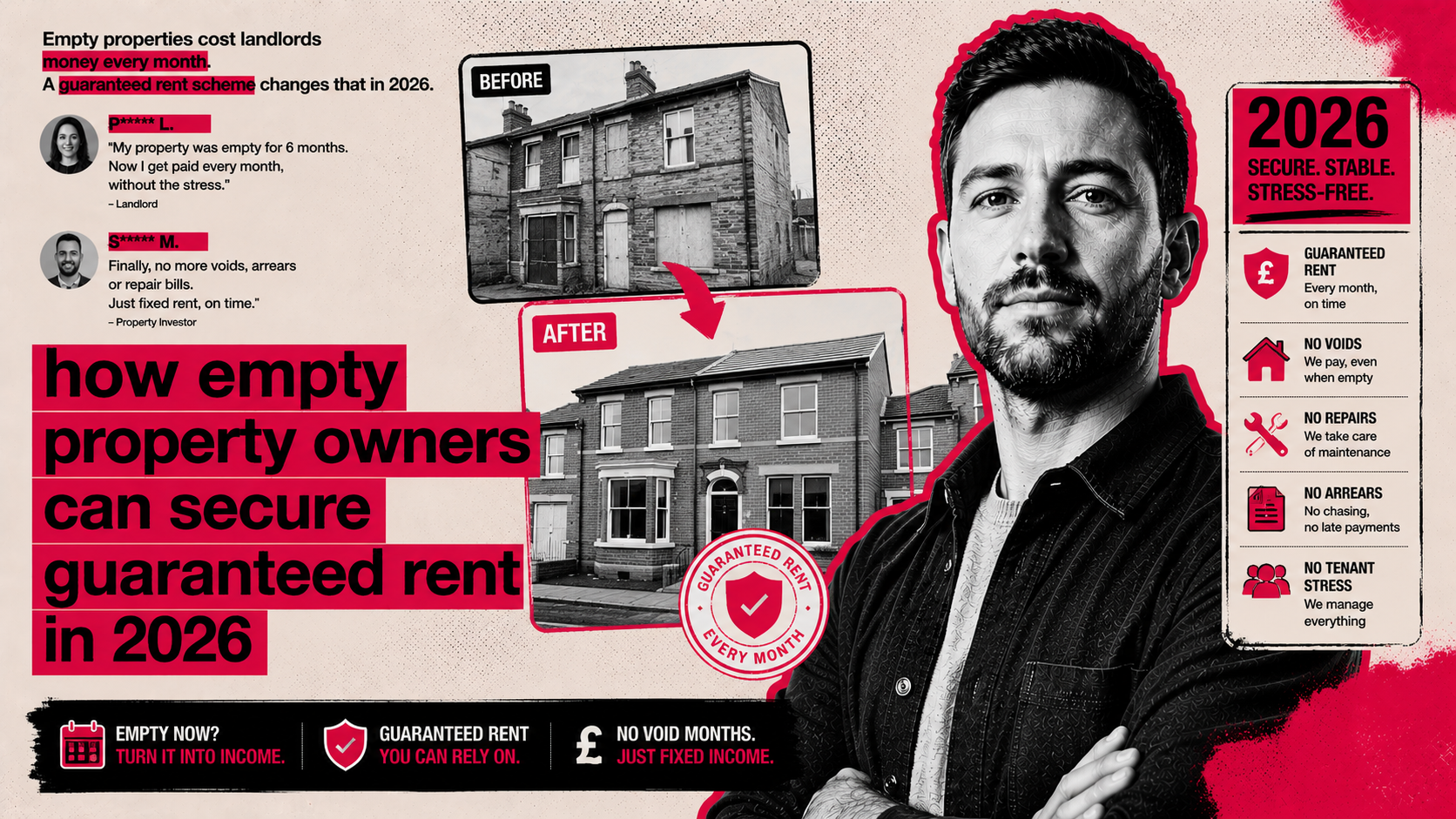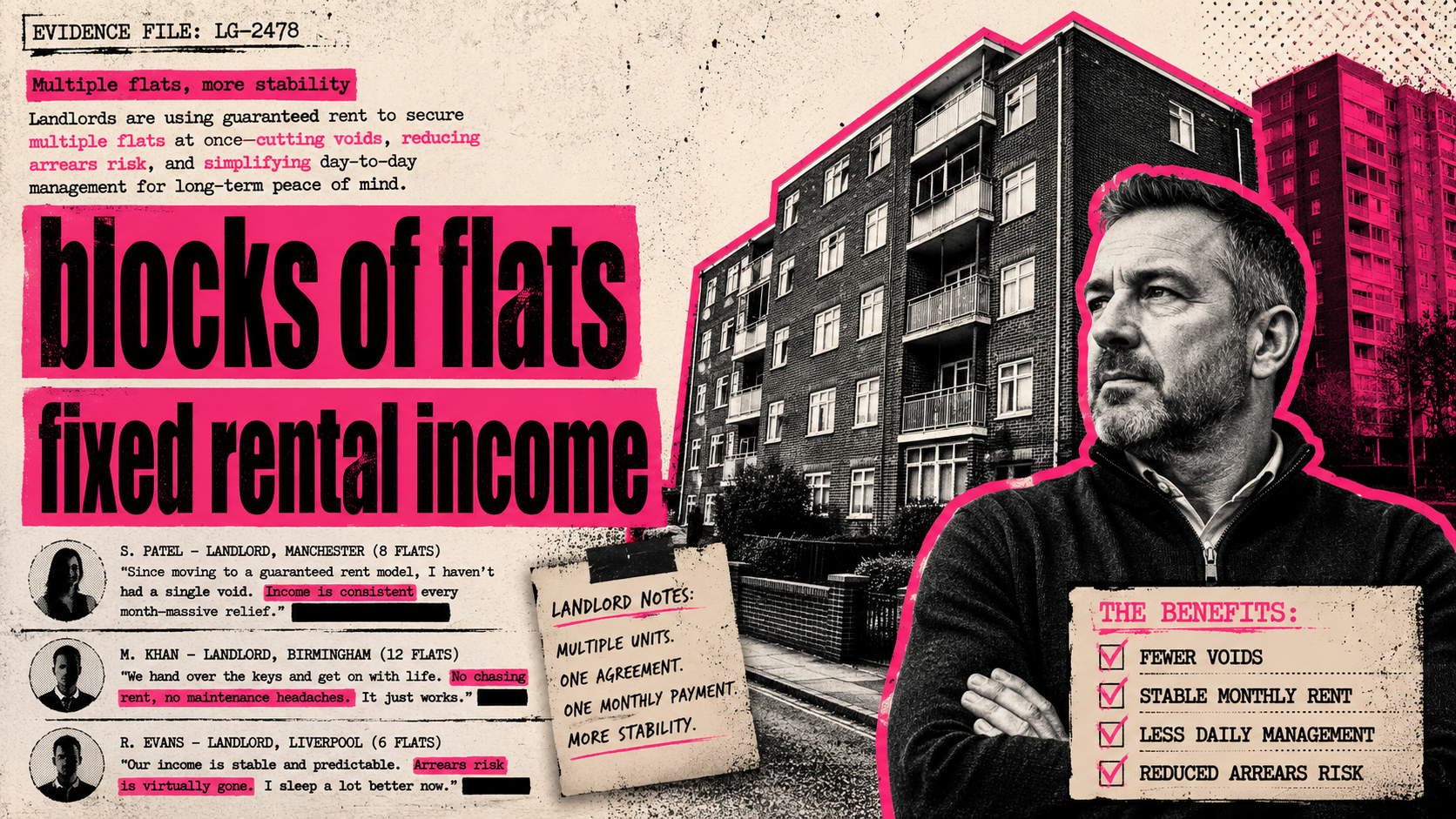






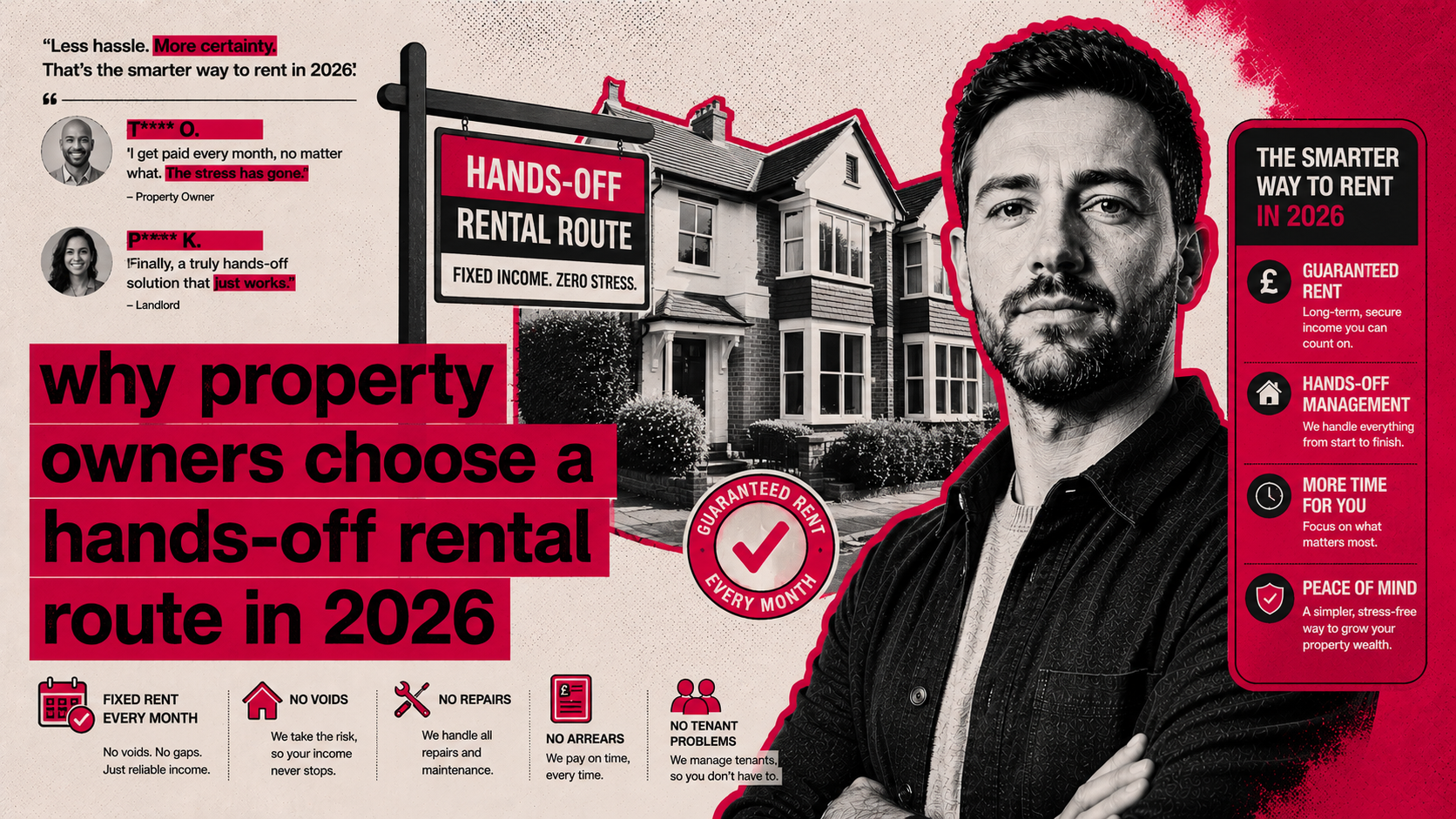
The renters rights act is forcing landlords to rethink property management decisions due to increased regulation, reduced control, and higher risk. Many landlords are moving away from traditional management and towards guaranteed rent schemes and long-term leasing for stability.
The renters rights act is reshaping how landlords manage their properties, making traditional property management more complex and risk-driven. With tighter regulations, increased tenant protections, and reduced control, landlords are now being forced to reassess whether their current management approach still works. For many, this has led to a shift towards more structured and hands-off solutions.
The renters rights act introduces significant changes that directly affect how properties are managed.
One of the key shifts is the move towards greater tenant protections, which reduces landlord flexibility in managing tenancies. This impacts how landlords handle issues such as rent arrears, tenancy changes, and property possession.
In addition, compliance requirements are increasing, requiring landlords to spend more time ensuring their properties meet legal standards. These changes align with updated government guidance on renting and landlord responsibilities:
https://www.gov.uk/
As a result, property management is no longer just about maintaining a property — it now involves navigating a more complex regulatory environment.
Traditional property management, whether handled directly or through a letting agent, is becoming more demanding under the renters rights act.
Landlords are facing:
Even when using letting agents, landlords often remain legally responsible for ensuring compliance. This means that outsourcing management does not remove risk — it simply shifts how it is handled.
Guidance from organisations such as the National Residential Landlords Association highlights the growing responsibilities landlords face in the current rental market:
https://www.nrla.org.uk/
In our experience, many landlords underestimate how much these changes impact day-to-day management.
The renters rights act is forcing landlords to make more strategic decisions about how they manage their properties.
Key considerations include:
Whether to continue using letting agents
Landlords must assess whether agents can effectively manage increased regulatory complexity.
How to handle compliance
Ensuring properties meet all legal requirements is becoming more time-consuming and costly.
How to protect rental income
With increased risks around arrears and evictions, landlords need more secure income strategies.
Whether to remain hands-on or step back
Many landlords are deciding whether to continue active management or move towards a more passive approach.
These decisions are shaping how landlords operate in the current market.
As property management becomes more complex, many landlords are reconsidering the role of letting agents.
While agents can assist with tenant management, they do not remove the underlying risks created by the renters rights act. Landlords may still face issues such as arrears, disputes, and compliance challenges.
This has led to a shift towards structured leasing models that remove the need for traditional management altogether.
These models typically offer:
Landlords who want to understand how guaranteed rent protects income can read our guide here:
https://www.citywidehousing.co.uk/how-a-rent-guarantee-scheme-protects-your-rental-income/
In our experience, landlords moving away from letting agents are often seeking simplicity, stability, and reduced risk.
At Citywide Housing Group, we remove the stress of compliance by:
Step 1: Get in Touch
Contact us today by phone or complete our online form to schedule a free, no-obligation property consultation.
Step 2: Property Assessment
We’ll visit your property to assess its condition, provide recommendations for any necessary improvements, and ensure it meets all required standards.
Step 3: Compliance & Handover
We manage the entire compliance process, carry out any necessary repairs, and arrange for an inventory check before officially handing over the property.
Step 4: Consistent Rent Begins
Once everything is in place, we take care of the property management, and you’ll start receiving consistent rent every month.
The renters rights act is changing how landlords approach property management, increasing complexity and risk across the board. As a result, many landlords are moving away from traditional management methods and towards structured solutions that provide stability and reduce involvement.
At Citywide Housing Group, we specialise in helping landlords secure guaranteed income with long-term leases. Our approach ensures:
Full Property Management: From tenant management to maintenance, we take care of everything so you don’t have to.
Compliance and Legal Support: We ensure that all your properties meet legal requirements and comply with housing standards.
No Hidden Fees: We believe in transparency, with no surprise costs—what we agree on is what you get.
Local Expertise: Our team is familiar with the Bradford housing market, ensuring you get the best returns for your property.
It increases compliance requirements, reduces landlord control, and makes managing tenancies more complex.
Not necessarily. Many landlords are exploring alternatives such as long-term leasing and guaranteed rent schemes.
Yes, increased regulation and tenant protections are making management more time-consuming and risk-driven.
Structured leasing and guaranteed rent arrangements offer a more hands-off approach with stable income.
If you’re ready to secure fixed, reliable income with no voids or arrears, it’s time to join the growing number of landlords in Bradford benefiting from guaranteed rent schemes.
Contact Citywide Housing Group today to schedule your free property assessment and discover how we can help you unlock the potential of your property.
For more information, visit Citywide Housing or call us at 0113 323 0678.


Join our email mailing list to receive weekly tips, industry insights + more.

TL;DR The renters rights act is forcing landlords to rethink property management decisions

TL;DR Social housing appeals to risk-averse landlords because it reduces exposure to voids,

TL;DR Before the renters rights act takes effect, landlords need to review tenancy
Fill out the form for a free consultation call and let us take care of your property, hassle-free.