

TL;DR
Commercial lease agreements appeal to landlords because they can provide longer-term rental stability, fewer day-to-day problems and clearer income planning. With Citywide Housing, suitable landlords can benefit from guaranteed rent, no voids, no arrears, no repairs, no tenant issues and 3 to 5 year commercial leases.
What’s in This Article:
- Why landlords are reviewing their letting options in 2026
- How a Commercial lease gives landlords more certainty
- Why commercial leases can reduce rental risk
- How guaranteed rent works alongside a commercial lease
- Which property types may be suitable
- What landlords should check before signing
- FAQs about Commercial lease
- Final thoughts and next step
Introduction
Commercial lease agreements are becoming more appealing to landlords who want stable income without the stress of traditional private letting. In 2026, many landlords are reviewing how they rent their properties because of changing rules, rising costs, void periods, arrears and tenant issues. A commercial lease can give suitable landlords a longer-term structure with agreed rent and fewer daily pressures.
For landlords with HMOs, blocks of flats, family houses or self-contained flats, the goal is often simple.
They want the property to keep producing income, but they do not want the constant workload that can come with private renting.
Why Landlords Are Reviewing Their Letting Options in 2026
Landlords are reviewing their letting options because the private rented sector has become more demanding.
Since 1 May 2026, the Renters’ Rights Act has changed how landlords let private properties in England. This has increased the need for landlords to understand their responsibilities, manage paperwork correctly and plan rental income more carefully.
Alongside regulation, landlords may also be dealing with:
- Void periods
- Rent arrears
- Repair costs
- Tenant complaints
- Compliance pressure
- Insurance requirements
- Mortgage costs
- More time spent on property management
For some landlords, traditional letting still works.
However, for landlords who want less direct involvement, a commercial lease can be a more attractive route.
How a Commercial lease Gives Landlords More Certainty
A commercial lease gives landlords more certainty by creating a longer-term agreement between the property owner and the organisation leasing the property.
With Citywide Housing, suitable landlords can benefit from:
- Guaranteed rent
- Market rents paid
- No voids
- No arrears
- No repairs
- No tenant issues
- 3 to 5 year commercial leases
- Longer-term options where suitable
This gives landlords a clearer income structure than many traditional letting arrangements.
Instead of relying on individual tenant payments, landlords receive agreed rent under the commercial lease arrangement. This can make income planning easier, especially for landlords who rely on rent for mortgage payments, retirement income or portfolio growth.

Why Commercial lease agreements suit landlords who want stability
Commercial lease agreements suit landlords who want stability because they reduce the constant cycle of advertising, tenant changeovers, repairs, arrears and rent chasing.
A stable lease can help landlords:
- Plan income over several years
- Reduce uncertainty
- Step back from daily rental issues
- Avoid repeated re-letting
- Protect annual cash flow
- Keep the property as a long-term asset
For many landlords, this is the real appeal.
It is not only about rent. It is about reducing stress and creating a more predictable investment.
Why Commercial Leases Can Reduce Rental Risk
Commercial leases can reduce rental risk because the landlord is not relying on a standard private tenant arrangement in the same way.
In traditional letting, the landlord may face problems such as:
- A tenant leaving unexpectedly
- An empty property between tenancies
- Rent arrears
- Disputes
- Damage
- Repair calls
- Legal notices
- Re-letting delays
A commercial lease can create a more structured relationship with clearer terms from the start.
For landlords who are tired of uncertainty, that structure can be valuable.
| Risk Area | Traditional Letting | Citywide Housing Commercial Lease |
|---|---|---|
| Monthly rent | Depends on tenant payment | Agreed rent |
| Voids | Possible | No voids |
| Arrears | Possible | No arrears |
| Repairs | Often landlord concern | No repairs |
| Tenant issues | Can involve landlord | No tenant issues |
| Lease length | Often shorter-term | 3 to 5 years |
| Landlord involvement | Can be active | More hands-off |
| Income planning | Can fluctuate | More predictable |
This comparison shows why many landlords look beyond traditional letting when they want stability.
How Guaranteed Rent Works Alongside a Commercial Lease
Guaranteed rent and commercial lease agreements work together by giving landlords a fixed rental arrangement over a defined period.
With Citywide Housing, the landlord agrees rent and lease terms before handover. Once the property is accepted and the agreement is signed, the landlord receives the agreed rent during the lease term.
This structure helps remove common landlord concerns, including:
- Will the property be empty?
- Will the rent be late?
- Will arrears build up?
- Will repairs reduce income?
- Will tenant issues take up my time?
- Will I need to re-let the property soon?
A guaranteed rent scheme gives landlords a simpler income model.
For more information, visit:
https://www.citywidehousing.co.uk/guaranteed-rent/
Why Annual Income Matters More Than Headline Rent
Some landlords focus only on the highest possible monthly rent. That can be misleading.
A higher rent does not always mean a better return if the landlord also faces voids, arrears, repairs and management costs.
For example:
| Letting Option | Monthly Rent | Voids | Annual Rent Received |
| Traditional letting | £1,300 | 2 months | £13,000 |
| Commercial lease | £1,200 | 0 months | £14,400 |
In this example, the commercial lease produces more annual income, even though the monthly rent appears lower.
That is why landlords should calculate real annual income, not just advertised rent.
The best rental option is often the one that protects income consistently.
Which Property Types May Be Suitable?
Citywide Housing may consider several property types, depending on location, condition, demand and compliance.
These may include:
- HMOs
- Blocks of flats
- Family houses
- Self-contained flats
- Larger residential properties
- Properties suitable for supported housing use
The property must usually be in a suitable area and meet required standards.
Citywide Housing operates across key regions including:
- West Yorkshire
- South Yorkshire
- Greater Manchester
- Lancashire
- Humberside
- The North East
Before any agreement is made, the property will need to be assessed. If any works are required, the landlord can be advised before handover.
For landlord information, visit:
https://www.citywidehousing.co.uk/landlords/
What Landlords Should Check Before Signing a Commercial Lease
Before signing a commercial lease, landlords should understand the agreement clearly.
Important points to review include:
- Lease length
- Rent amount
- Payment terms
- Repair responsibilities
- Property condition requirements
- Compliance obligations
- Insurance requirements
- Handover process
- Renewal options
- End-of-lease arrangements
Landlords should also make sure they understand how the lease fits their own financial plans.
A commercial lease can be a strong option, but it should always be reviewed carefully before signing.
Where needed, landlords should take independent legal advice before entering any agreement.
What Documents May Be Needed?
To lease a property, landlords may need to provide key documents.
These can include:
- Valid electrical certificate
- Valid gas safety certificate
- Energy Performance Certificate
- Building insurance
- Fire risk assessment where required
- Land Registry title
- HMO licence where applicable
Having documents ready can help the process move more smoothly.
Citywide Housing can advise landlords on what may be required before the property is accepted.
How the Citywide Housing Process Works
The process is designed to be clear and practical for landlords.
A typical route may include:
- Initial discussion with the housing team
- Property location review
- Property assessment
- Compliance and document check
- Rental offer
- Commercial lease review
- Lease agreement
- Property handover
- Agreed monthly rent payments
This gives landlords a clear route from enquiry to lease.
It also helps both sides confirm whether the property is suitable before moving forward.
Why Commercial Lease Agreements Appeal to Tired Landlords
Many landlords are not trying to exit property completely. They are simply tired of the stress.
They may be tired of:
- Tenant complaints
- Rent chasing
- Empty properties
- Repair calls
- Re-letting delays
- Compliance worries
- Unpredictable income
- Weekend and evening property issues
A commercial lease can help landlords keep the property while reducing daily involvement.
That is why this model appeals to landlords who want their rental property to feel like an investment again, not a second job.
Is a Commercial Lease Right for Every Landlord?
A commercial lease is not right for every landlord.
It may be suitable if you want:
- Guaranteed rent
- No voids
- No arrears
- No repairs
- No tenant issues
- Longer-term rental stability
- A more hands-off property arrangement
It may not be suitable if you want full control over day-to-day occupation, short-term letting flexibility or direct involvement in property management.
The right option depends on your goals, property type and appetite for risk.

FAQs About Commercial lease
A Commercial lease is an agreement where a landlord leases a property to an organisation rather than using a standard private tenant arrangement. With Citywide Housing, suitable landlords can receive agreed monthly rent under a longer-term lease.
Citywide Housing commonly works with 3 to 5 year commercial leases. Some agreements may be extendable depending on the property, demand and lease terms.
Yes, under Citywide Housing’s guaranteed rent model, landlords benefit from no voids. The agreed rent is paid during the lease term.
Yes, HMOs may be considered, depending on location, compliance, condition and demand. Citywide Housing can assess whether the property is suitable.
Conclusion: Why Commercial Lease Agreements Make Sense in 2026
Commercial lease agreements appeal to landlords because they offer a more stable alternative to traditional letting.
In 2026, landlords are facing more pressure from changing rules, rising costs, void periods, arrears, repairs and tenant issues. A commercial lease can help suitable landlords protect income and reduce day-to-day stress.
Citywide Housing offers landlords guaranteed rent, market rents paid, no voids, no arrears, no repairs, no tenant issues and 3 to 5 year commercial leases.
If you own an HMO, block of flats, family house or suitable rental property, speak to the Citywide Housing team today for a free property assessment.
Share
Latest posts

The Benefits of Choosing a Guaranteed Rent Scheme
November 9, 2024
No Comments

How a Rent Guarantee Scheme Protects Your Rental Income
November 12, 2024
No Comments

Essential Landlord Tips for Managing Properties Effectively
November 18, 2024
No Comments
Did you enjoyed this article?
Join our email mailing list to receive weekly tips, industry insights + more.
Discover Relevant Articles and Resources
Can Landlords Still Get Long-Term Security in 2026 With a Long-term lease?
June 11, 2026
No Comments
TL;DR A Long-term lease can still give landlords security in 2026, especially when
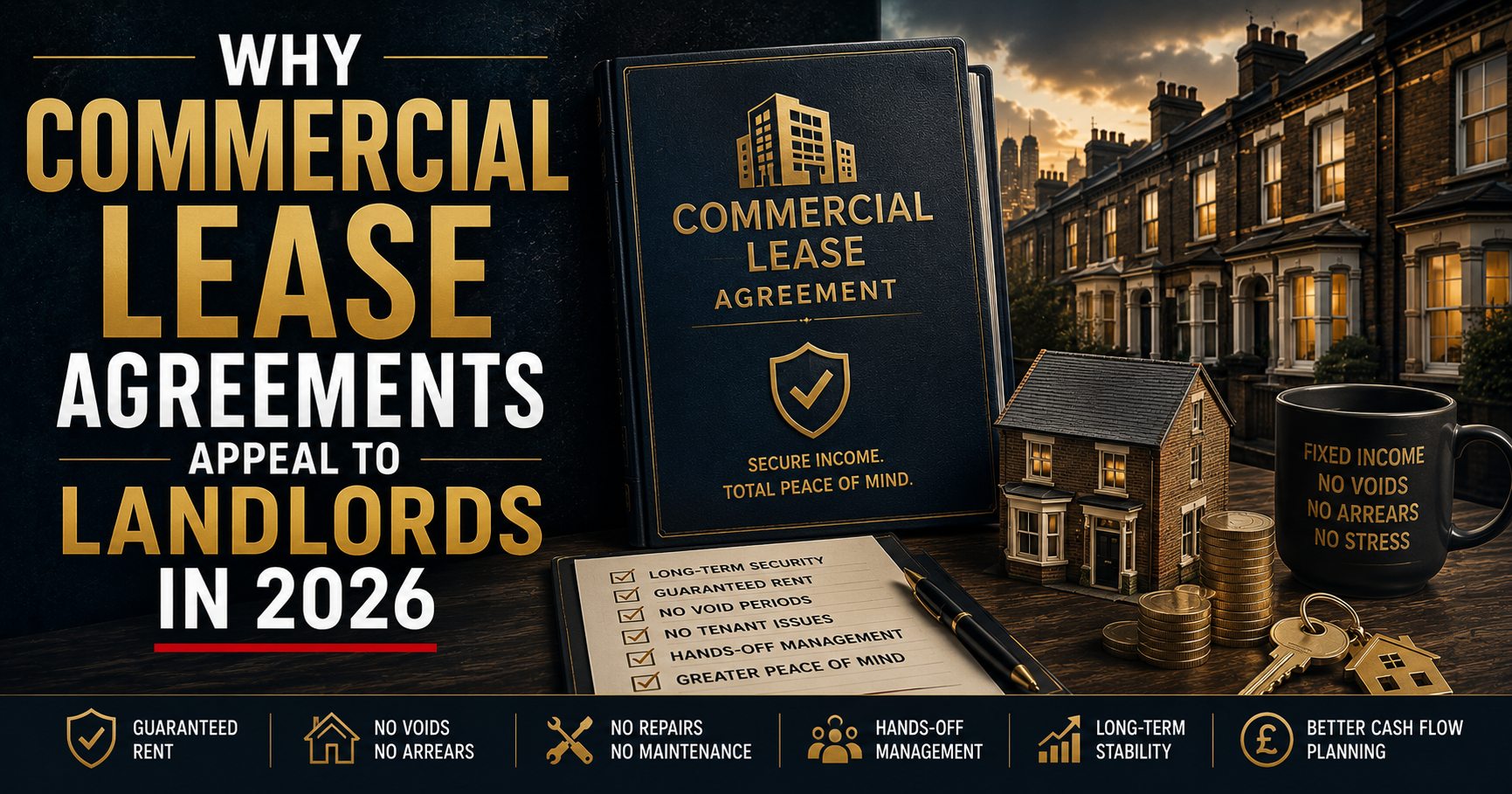
Why Commercial lease Agreements Appeal to Landlords in 2026
June 10, 2026
No Comments
TL;DR Commercial lease agreements appeal to landlords because they can provide longer-term rental
How Landlords Can Reduce Risk After the Renters Rights Act
June 9, 2026
No Comments
TL;DR The Renters Rights Act has changed the way landlords manage private rented
Ready to Secure Your Guaranteed Rent?
Fill out the form for a free consultation call and let us take care of your property, hassle-free.