





TL;DR
Supported housing in Bradford allows landlords to lease their properties on a long-term basis to specialist housing providers who manage occupants, compliance, and day-to-day issues. For landlords, this means consistent rent, fewer voids, and hands-off property management, especially as private renting becomes more complex under the Renters’ Rights Act.
What’s in This Article
What supported housing means in Bradford
Why Bradford has growing supported housing demand
How supported housing works for landlords
The role of specialist property management
How landlords earn consistent rent in Bradford
FAQs about supported housing
What Is Supported Housing in Bradford?
Supported housing provides accommodation for individuals who need some level of support to live independently. This can include people transitioning from temporary accommodation, individuals with additional needs, or those requiring structured housing pathways.
In Bradford, supported housing is delivered through partnerships between:
Specialist housing providers
Support organisations
Property owners and landlords
For landlords, supported housing is not the same as traditional letting. You are not advertising on the open market, dealing with tenant churn, or managing day-to-day issues yourself.
Instead, your property is leased on a long-term basis to a professional housing provider who takes responsibility for:
Occupant management
Compliance standards
Property use and care
Why Supported Housing Demand Is Rising in Bradford
Supported housing demand in Bradford has increased sharply due to several local factors:
Rising pressure on the private rental sector
Increased compliance and risk for private landlords
Reduced availability of stable, long-term housing options
Greater focus on structured housing pathways
Bradford has a large stock of terraced houses, HMOs, and blocks of flats, which are well-suited to supported housing use when professionally managed.
At the same time, many landlords are stepping back from private letting due to:
Shorter tenancies
Higher void risk
Increased regulation
Rent disputes and arrears
Supported housing offers an alternative that removes many of these pressures.
How Supported Housing Works for Landlords in Bradford
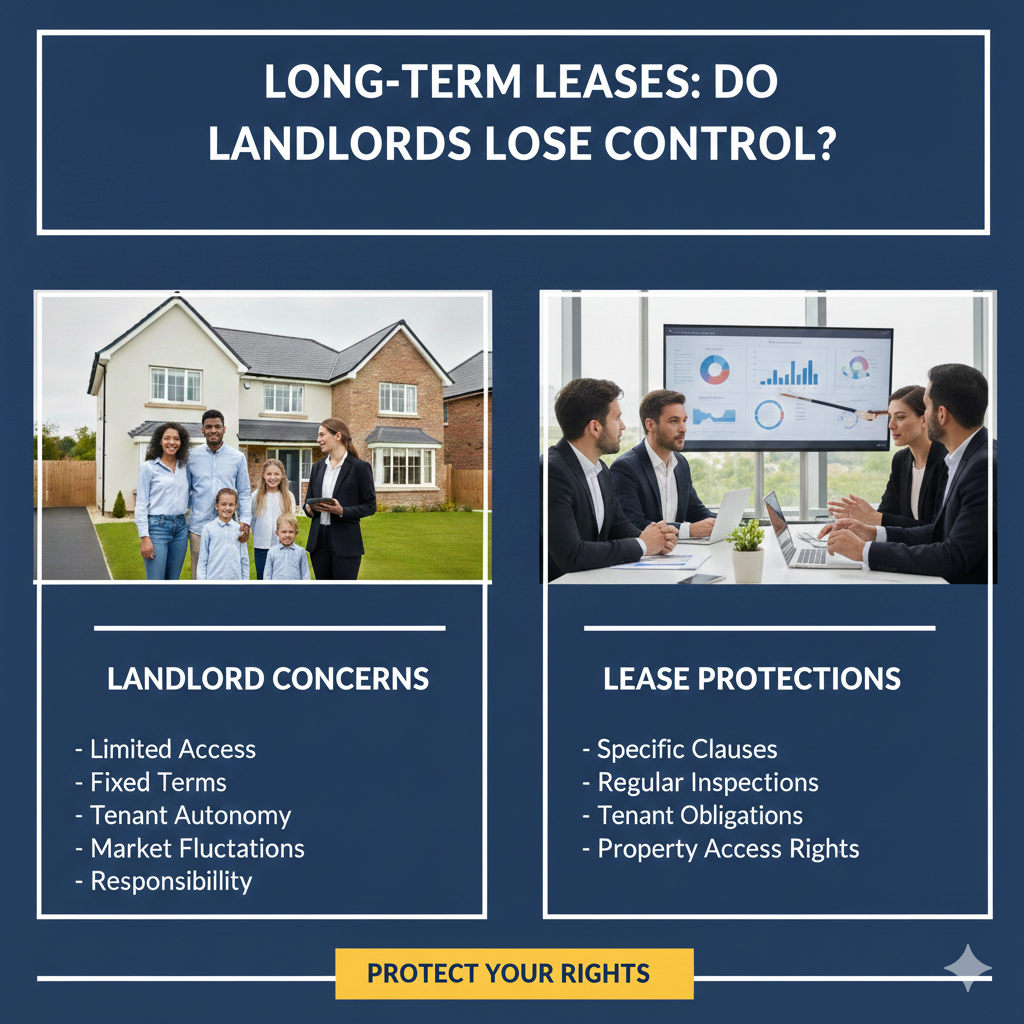
For landlords, supported housing typically works through a long-term lease arrangement.
Here’s how the model works in practice:
You lease your property to a specialist housing provider
The provider manages occupants and support arrangements
The property is professionally managed and maintained
Rent is agreed upfront and paid consistently
You are not managing tenants, attending inspections, or dealing with day-to-day issues.
Example
A landlord with a 4-bedroom property in Bradford might normally face:
Regular tenant turnover
Gaps between tenancies
Late rent payments
Ongoing management costs
Under a supported housing lease, the same property can be let on a 3–5 year agreement, providing predictable income and far less involvement.
The Role of Specialist Property Management in Supported Housing
Supported housing requires a different level of property management compared to high-street letting agents.
This includes:
Ongoing compliance checks
Coordinating inspections
Managing property standards
Acting as the main point of contact between landlord and housing providers
This is why supported housing landlords typically work with specialist property management companies, rather than traditional estate agents.
The focus is not on advertising or tenant sourcing, but on:
Stability
Compliance
Long-term income protection
How Landlords Earn Consistent Rent Through Supported Housing
One of the biggest attractions of supported housing for Bradford landlords is income consistency.
Instead of relying on individual tenants, rent is paid under a commercial-style agreement, meaning:
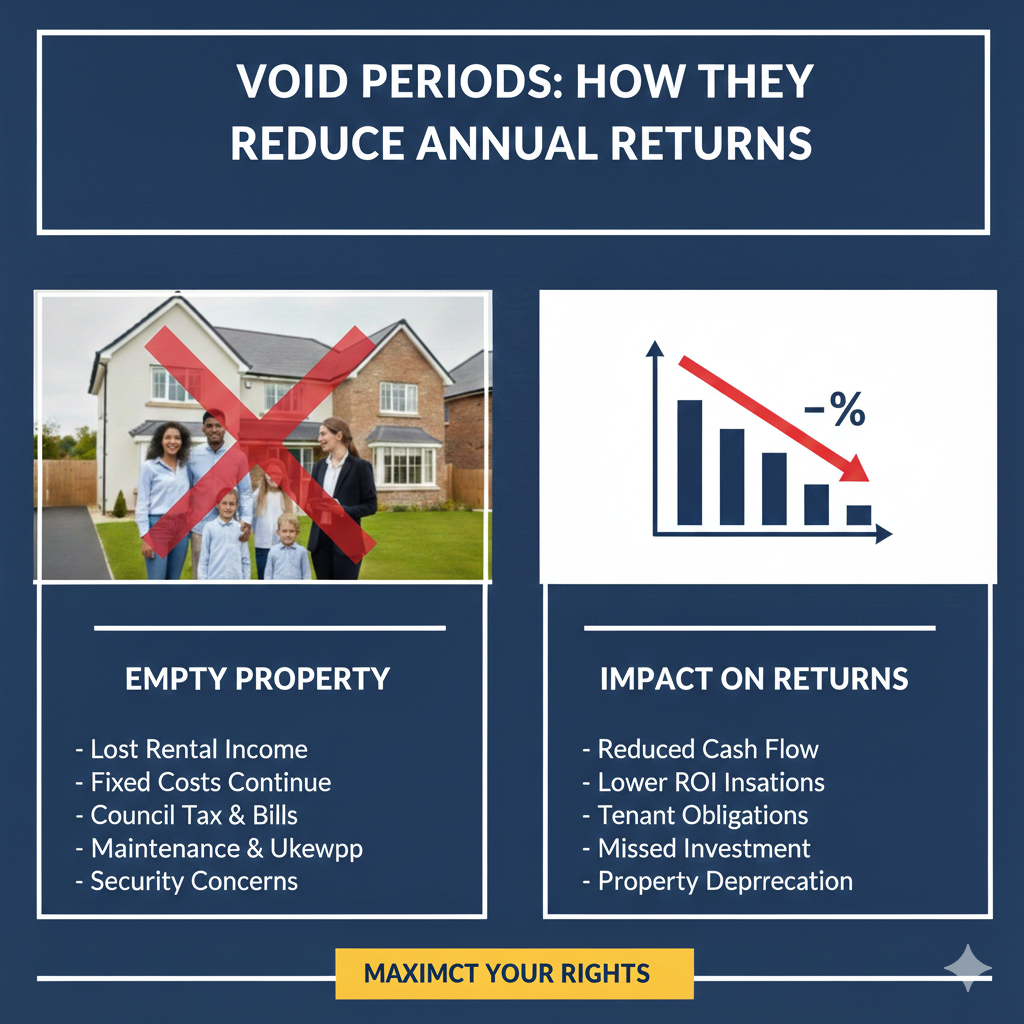
No void periods between occupants
No chasing rent payments
No exposure to short-term tenancy changes
Less impact from rental law reforms
This model is particularly attractive as periodic tenancies become standard and fixed-term certainty disappears from the private rental market.
FAQs About Supported Housing in Bradford
Is supported housing the same as social housing?
No. Supported housing is a specific type of accommodation where occupants receive structured support. It operates differently from general social housing and private renting.
Do landlords manage the occupants?
No. Occupant management is handled by the housing provider and managing agent, not the landlord.
Is supported housing suitable for HMOs?
Yes. Many supported housing properties in Bradford are HMOs or shared accommodation, provided they meet required standards.
Does supported housing reduce void periods?
Yes. Because properties are leased long-term, landlords are not exposed to frequent vacancies or re-letting cycles.
Final Thoughts for Bradford Landlords
Supported housing in Bradford offers landlords a way to:
Reduce risk
Simplify management
Secure long-term rental income
Step away from the pressures of private letting
With the right property management partner, supported housing can provide consistent rent without daily involvement, even as rental regulations continue to change.