TL;DR
Bradford landlords are increasingly moving away from private letting and towards supported housing with guaranteed rent. Rising legislation, void periods, and tenant risk are pushing landlords to seek stable, hands-off income, especially ahead of the Renters’ Rights Act changes in 2026.
Why So Many Bradford Landlords Are Rethinking Private Letting
In Bradford, traditional buy-to-let is becoming harder to manage profitably.
Landlords are dealing with:
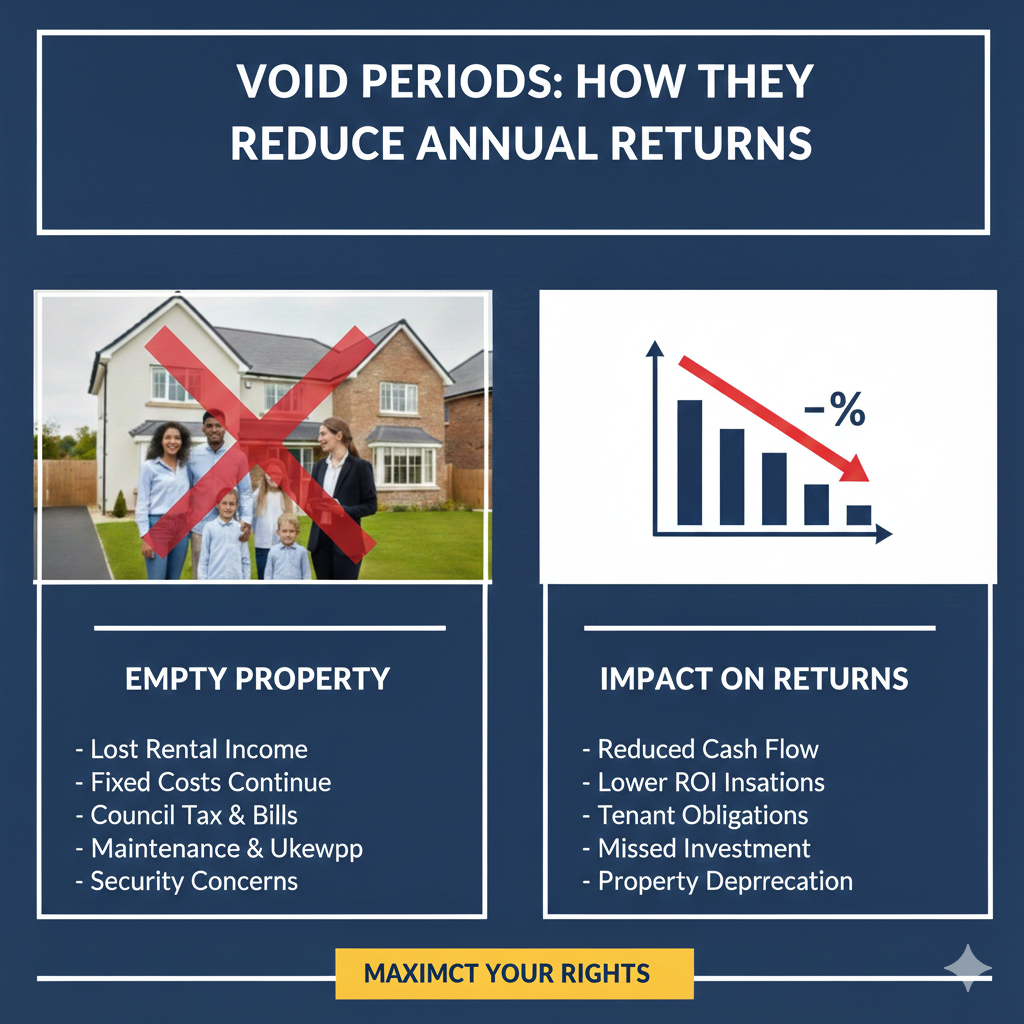
Longer void periods between tenancies
Rising compliance and safety costs
More restrictions on rent increases
Increased risk under the Renters’ Rights Act
Ongoing tenant management and disputes
Even properties in high-demand areas like Shipley, Keighley, and Queensbury are not immune. Demand exists, but certainty does not.
For many landlords, the question is no longer “Can I let this property?” but “Can I rely on the income?”
What Is Driving the Shift to Supported Housing in Bradford?
The shift isn’t accidental. It’s driven by risk reduction.
Supported housing allows landlords to:
Lease their property long term
Receive consistent monthly rent
Avoid tenant churn and voids
Remove day-to-day management
Instead of managing individual tenants, landlords lease their property to a housing provider, who then takes responsibility for occupancy, support, and management.
This is why supported housing is increasingly seen as a commercial-style investment, not a traditional let.
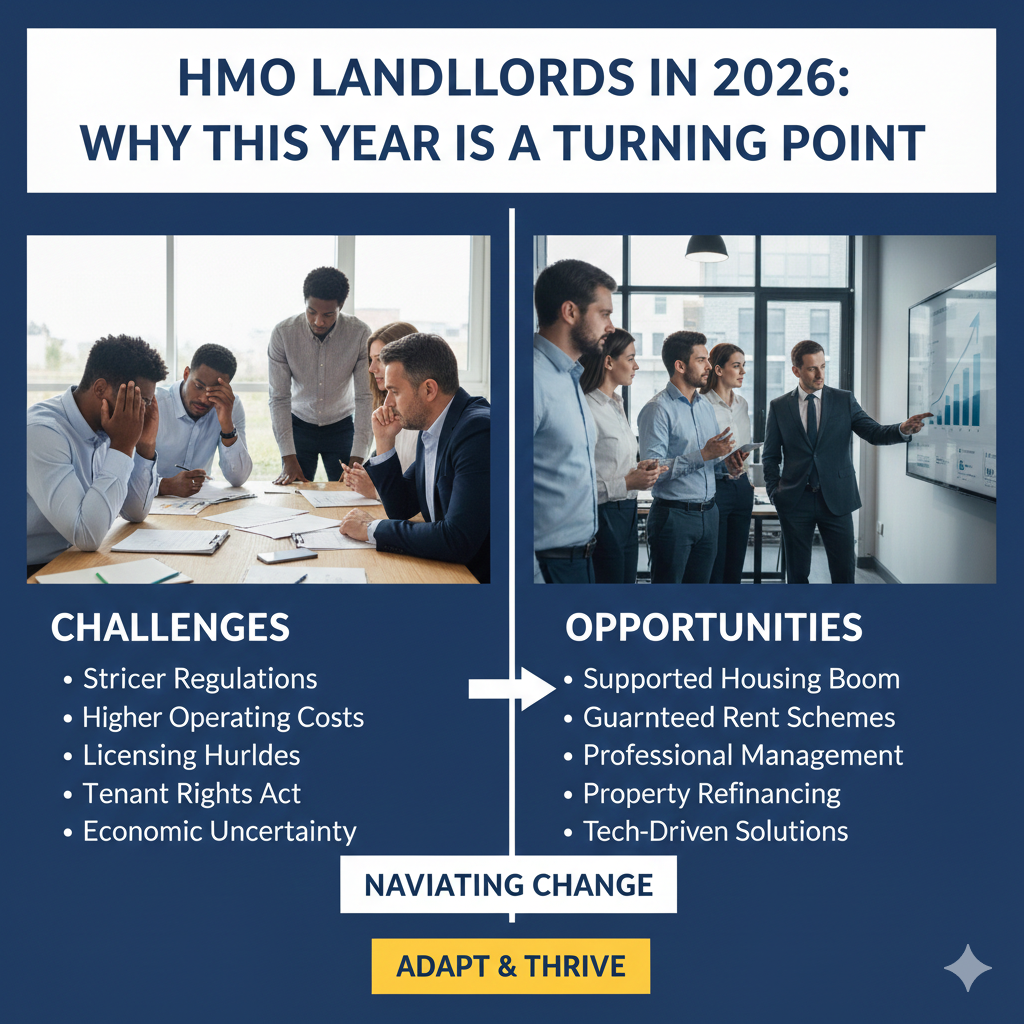
Why 2026 Is a Turning Point for Landlords
By 2026, several changes are fully in effect:
Fixed-term tenancies are gone
Section 21 evictions are abolished
Periodic tenancies increase void risk
Compliance enforcement is stricter
Councils are increasing inspections
For Bradford landlords with HMOs or larger portfolios, this creates uncertainty.
Supported housing removes most of this exposure because:
The housing provider becomes your tenant
Rent is paid regardless of occupancy
Compliance and tenant issues are handled operationally
This is a key reason many landlords are switching before the changes fully bite.
How Supported Housing Works for Bradford Landlords
Here’s how the model works in simple terms:
You lease your property on a long-term agreement
Rent is agreed upfront and paid monthly
The property is managed day to day by the provider
Occupancy, tenant issues, and support are not your responsibility
From a landlord’s perspective, it functions more like a corporate lease than a residential tenancy.
Why Bradford Is Particularly Suited to Supported Housing
Bradford has several factors that make supported housing attractive:
Strong demand for accommodation
Good transport links
Lower acquisition costs compared to Leeds or Manchester
Active council and housing provider presence
This combination means landlords can secure stable income without chasing premium rents.
In areas like Bingley, Shipley, and Keighley, many landlords are now prioritising certainty over maximising headline yield.
Where Property Management Fits In
Supported housing still requires professional oversight.
Landlords switching models typically want:
One point of contact
Compliance handled correctly
Properties maintained to standard
Rent paid on time
This is where specialist property management for supported housing matters. It’s not the same as high-street letting agents.
The focus is on:
Long-term asset care
Compliance coordination
Relationship management with housing partners
Is Supported Housing Right for Every Bradford Landlord?
Not every landlord is a fit.
Supported housing works best for landlords who:
Want predictable income
Prefer hands-off management
Own properties suitable for longer-term use
Are thinking long term, not short flips
For these landlords, supported housing offers stability in an increasingly uncertain market.
Final Thought: Why the Switch Is Accelerating
Bradford landlords aren’t switching because private renting is impossible.
They’re switching because:
Risk is rising
Time costs are increasing
Certainty is becoming more valuable than peak rent
Supported housing offers:
Consistent rent
Fewer surprises
Professional management
Long-term security
That’s why more landlords are making the move before 2026, not after.