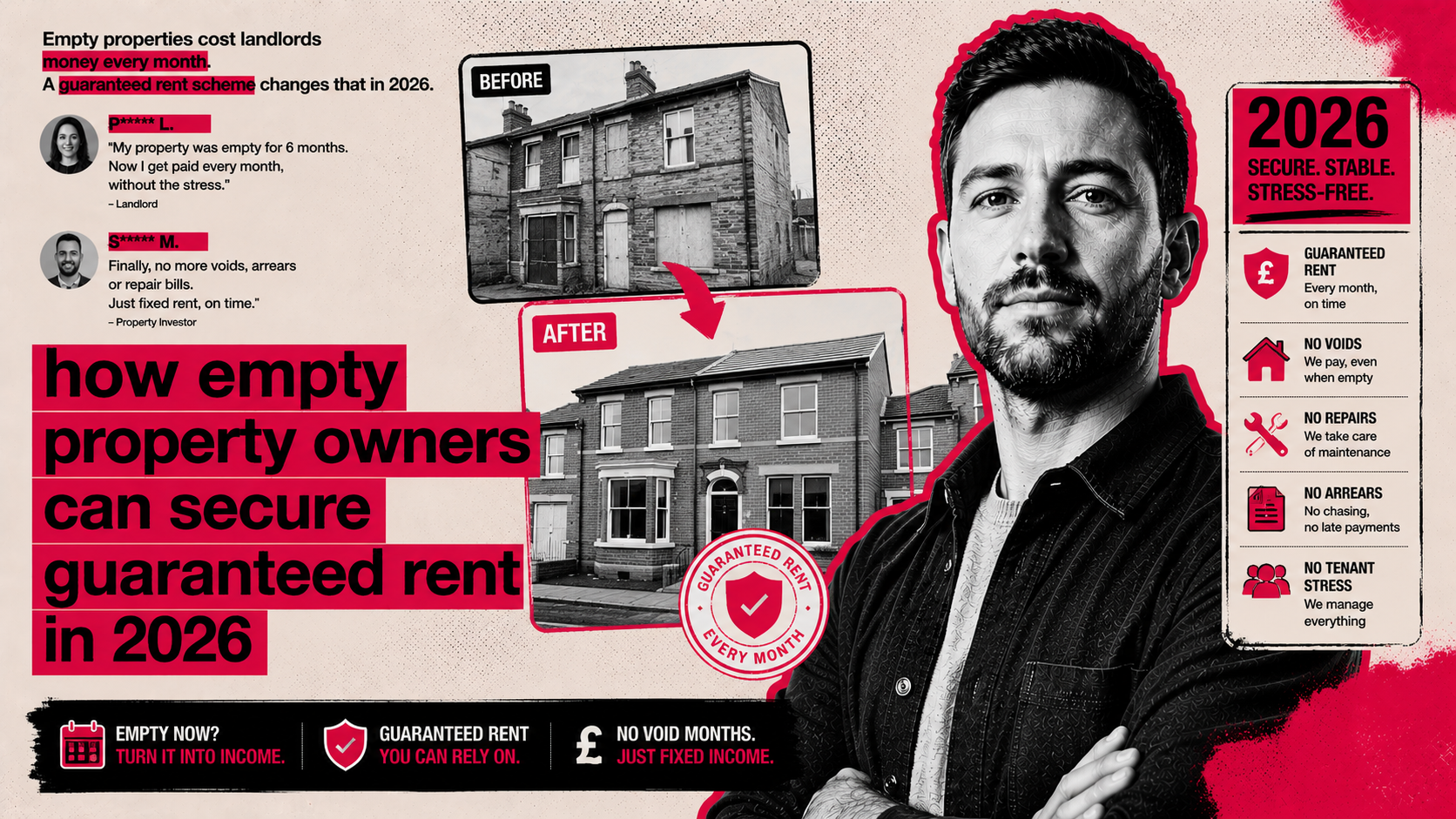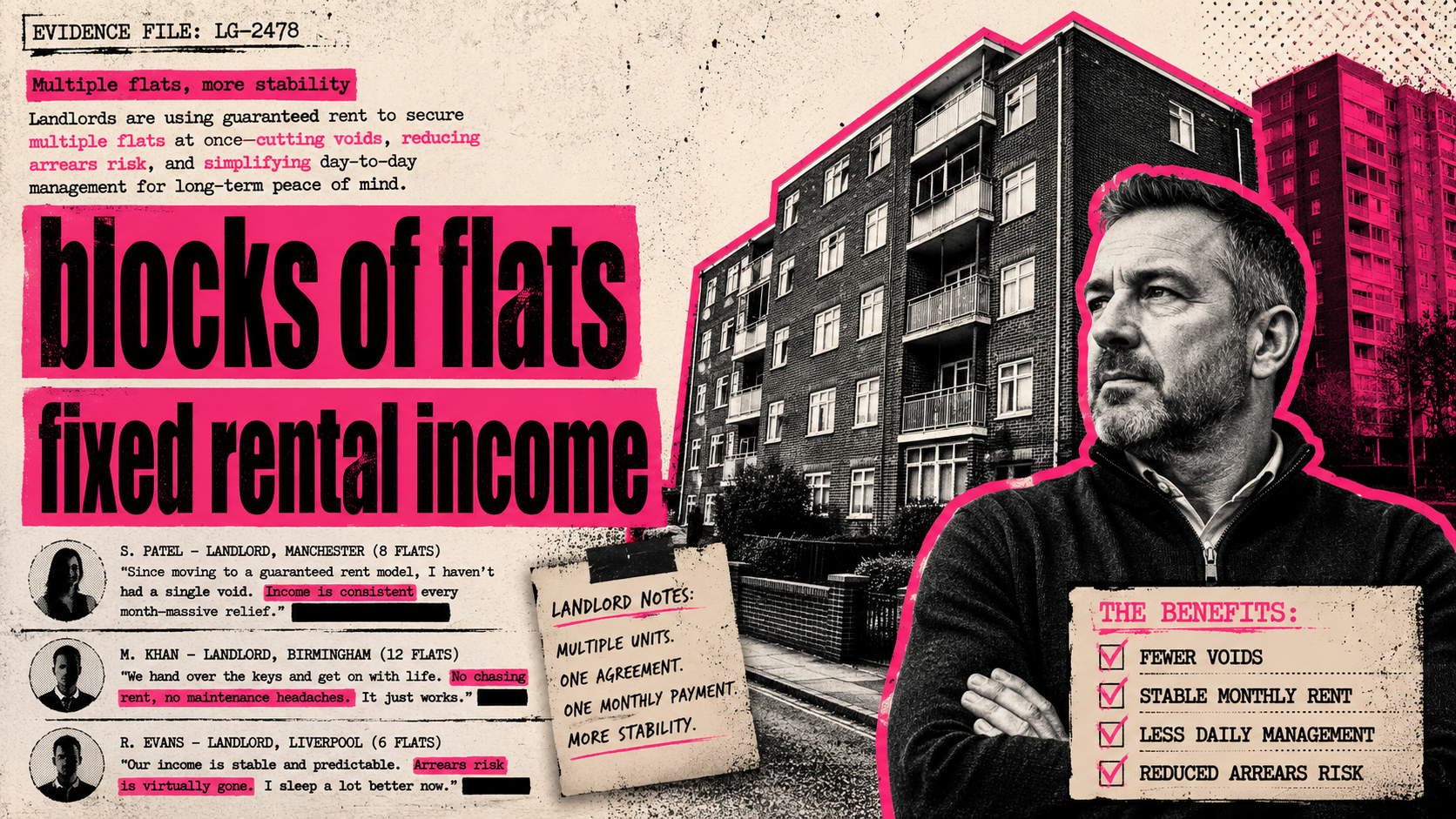






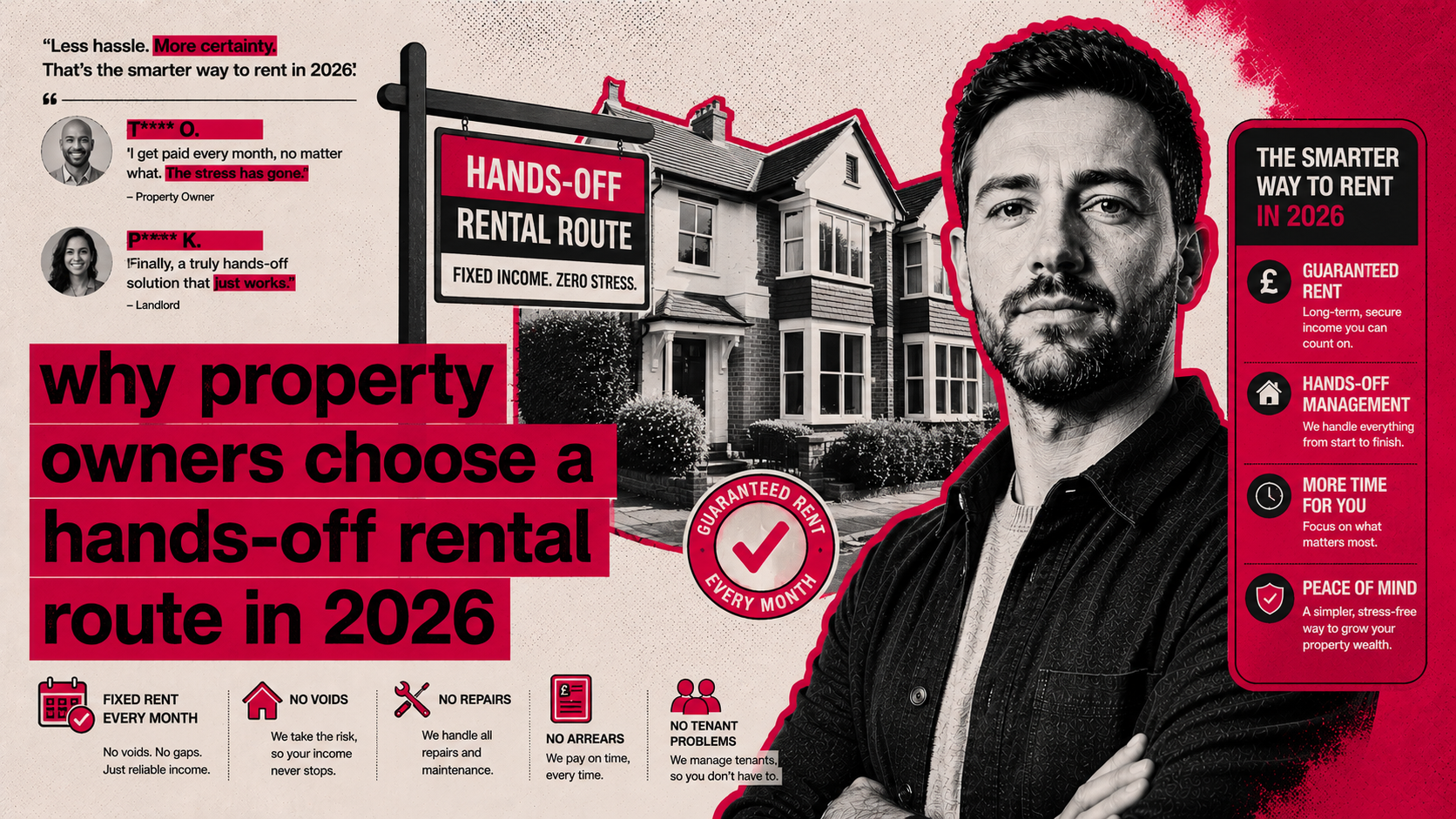
The renters rights act is changing how landlords plan their exit strategies by making traditional letting less predictable. Many landlords are now delaying sales, restructuring portfolios, or moving into guaranteed rent schemes to maintain stable income before exiting.
The renters rights act is not just changing how landlords manage properties — it is also affecting how they plan to exit the market. With reduced control over tenancies and stricter legal processes, selling or restructuring a rental portfolio is becoming more complex. As a result, landlords are rethinking when and how they exit while protecting their income in the process.
The renters rights act introduces new challenges that directly affect landlord exit strategies.
One of the main issues is reduced flexibility. With changes to tenancy structures, landlords may find it harder to regain possession of their property before selling.
Eviction restrictions also play a key role. If a landlord needs to sell a property, they may face delays if tenants remain in place, which can impact timing and value.
In addition, increased compliance requirements mean landlords must ensure properties meet higher standards before selling or transferring ownership. These changes align with broader government guidance on landlord responsibilities and property conditions:
https://www.gov.uk/
As a result, exit planning now requires more careful consideration and longer timelines.
Despite these changes, landlords still have several exit options available.
Selling with tenants in place
Some landlords choose to sell properties as tenanted investments, although this may limit the pool of buyers.
Vacant possession sale
Others aim to regain full control of the property before selling, although this may take longer under the new regulations.
Portfolio restructuring
Landlords may choose to sell some properties while retaining others, depending on performance and risk.
Long-term leasing before exit
Some landlords secure stable income through leasing arrangements before deciding on a future sale.
Each option comes with different levels of risk and complexity under the renters rights act.
Exiting the rental market is becoming more complex due to several key challenges.
Delays in regaining possession
Stricter eviction rules can slow down the process of preparing a property for sale.
Reduced buyer flexibility
Selling with tenants in place may not appeal to all buyers.
Compliance obligations
Properties must meet regulatory standards, which can require additional investment before sale.
Income uncertainty during transition
Periods between tenancy changes and sale completion can create financial gaps.
Guidance from organisations such as the National Residential Landlords Association highlights the importance of planning ahead when navigating these challenges:
https://www.nrla.org.uk/
In our experience, landlords who fail to plan their exit early often face delays and reduced returns.
To manage these challenges, landlords are adjusting their approach to exiting the market.
One common strategy is delaying the exit while securing stable income. Instead of selling immediately, landlords enter into structured leasing arrangements that provide guaranteed rent for a fixed period.
This approach allows landlords to:
Landlords can explore how guaranteed rent works as part of this strategy here:
https://www.citywidehousing.co.uk/how-a-rent-guarantee-scheme-protects-your-rental-income/
In addition, some landlords are restructuring their portfolios by keeping higher-performing properties and leasing out others to reduce risk.
By taking a more strategic approach, landlords can exit on their own terms rather than reacting to market pressures.
At Citywide Housing Group, we remove the stress of compliance by:
Step 1: Get in Touch
Contact us today by phone or complete our online form to schedule a free, no-obligation property consultation.
Step 2: Property Assessment
We’ll visit your property to assess its condition, provide recommendations for any necessary improvements, and ensure it meets all required standards.
Step 3: Compliance & Handover
We manage the entire compliance process, carry out any necessary repairs, and arrange for an inventory check before officially handing over the property.
Step 4: Consistent Rent Begins
Once everything is in place, we take care of the property management, and you’ll start receiving consistent rent every month.
The renters rights act is changing how landlords approach exit strategies, making planning more important than ever. With increased complexity around tenancies and compliance, landlords need to think carefully about timing, income stability, and risk.
At Citywide Housing Group, we specialise in helping landlords secure guaranteed income with long-term leases. Our approach ensures:
Full Property Management: From tenant management to maintenance, we take care of everything so you don’t have to.
Compliance and Legal Support: We ensure that all your properties meet legal requirements and comply with housing standards.
No Hidden Fees: We believe in transparency, with no surprise costs—what we agree on is what you get.
Local Expertise: Our team is familiar with the Bradford housing market, ensuring you get the best returns for your property.
It can make it harder to regain possession before a sale, potentially delaying the process.
Yes, but it may limit buyer options and affect the sale price.
Many landlords secure stable income through leasing or guaranteed rent before planning their exit
Not necessarily. Some landlords adapt by restructuring or changing their rental strategy rather than exiting immediately.
If you’re ready to secure fixed, reliable income with no voids or arrears, it’s time to join the growing number of landlords in Bradford benefiting from guaranteed rent schemes.
Contact Citywide Housing Group today to schedule your free property assessment and discover how we can help you unlock the potential of your property.
For more information, visit Citywide Housing or call us at 0113 323 0678.


Join our email mailing list to receive weekly tips, industry insights + more.

TL;DR The renters rights act is changing how landlords plan their exit strategies

TL;DR Social housing reduces long-term property risk by providing stable income, structured leasing,

TL;DR Most residential properties can be suitable for social housing if they meet
Fill out the form for a free consultation call and let us take care of your property, hassle-free.