




Citywide Housing

Social Housing scheme: What Type of Properties Are Suitable for Social Housing?

TL;DR

Most residential properties can be suitable for social housing if they meet basic standards, are in the right location, and align with housing demand. Many landlords use social housing alongside a guaranteed rent scheme to secure long-term, stable income.

What’s in This Article:

  • Introduction
  • What Makes a Property Suitable for Social Housing
  • Property Types Commonly Used in Social Housing
  • Location and Demand Considerations
  • What Landlords Should Check Before Leasing
  • FAQs: Social Housing Property Suitability
  • Conclusion

Introduction

Many landlords are interested in social housing but are unsure whether their property is suitable. The good news is that a wide range of residential properties can be used within social housing, provided they meet certain standards and demand requirements. Understanding what makes a property suitable is the first step towards securing stable, long-term rental income.

What Makes a Property Suitable for Social Housing

A property does not need to be specialised to be used for social housing, but it must meet key criteria.

The most important factor is that the property is safe, compliant, and ready for occupancy. This includes meeting current housing standards and regulations.

Other important considerations include:

  • Good overall condition with no major structural issues
  • Compliance with safety requirements such as gas, electrical, and fire standards
  • Practical layout suitable for residential use
  • Located in an area with housing demand

Housing providers typically look for properties that can be used immediately or with minimal adjustments. These standards are aligned with guidance set out by UK housing and safety regulations, which landlords can review through official government resources:
https://www.gov.uk/

Ensuring your property meets these requirements increases the likelihood of being accepted into a social housing arrangement.

Property Types Commonly Used in Social Housing

Social housing is flexible and can include a variety of property types.

Common examples include:

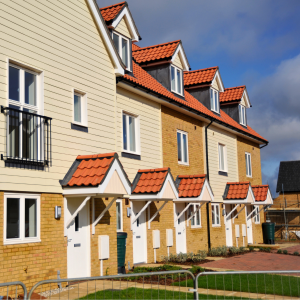
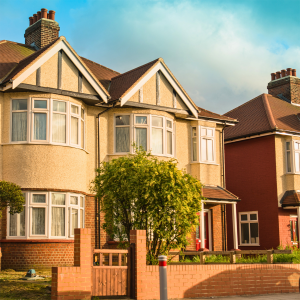
  • Single-family homes
  • Flats and apartments
  • Houses of multiple occupancy (HMOs)
  • Larger properties suitable for shared living

The key factor is not the type of property, but how well it meets housing needs in the local area.

In our experience, standard residential properties often perform well in social housing because they are easy to adapt and manage within structured leasing arrangements.

Location and Demand Considerations

Location plays a significant role in determining whether a property is suitable for social housing.

Properties in areas with high housing demand are more likely to be accepted by housing providers. These areas typically include:

  • Urban centres
  • Locations with limited affordable housing supply
  • Areas with strong local authority housing needs

Housing demand across the UK continues to grow, with organisations such as the Chartered Institute of Housing highlighting the ongoing need for increased housing provision:
https://www.cih.org/

For landlords, this means that well-located properties are more likely to secure long-term leasing agreements and consistent occupancy.

What Landlords Should Check Before Leasing

Before entering into a social housing agreement, landlords should review their property carefully.

Key checks include:

Property condition
Ensure the property is well-maintained and meets required safety standards.

Compliance documentation
Confirm all necessary certificates and legal requirements are in place.

Layout suitability
Consider whether the property layout meets practical living needs.

Long-term suitability
Think about whether the property fits a long-term leasing strategy.

Landlords can also explore how guaranteed rent supports these arrangements by reviewing our guide here:
https://www.citywidehousing.co.uk/how-a-rent-guarantee-scheme-protects-your-rental-income/

Taking these steps ensures the property is ready for a smooth transition into social housing.

How CHG Handles Compliance for You

At Citywide Housing Group, we remove the stress of compliance by:

  • Applying for and maintaining your HMO licence
  • Arranging all safety inspections and certificate renewals
  • Carrying out repairs to meet council standards
  • Keeping your property ready for inspection at all times
  • Providing consistent monthly rent with no void periods

             
Landlord reviewing UK property compliance checklist with tenant documents

How Our Guaranteed Rent Scheme Works

Step 1: Get in Touch

Contact us today by phone or complete our online form to schedule a free, no-obligation property consultation.

Step 2: Property Assessment

We’ll visit your property to assess its condition, provide recommendations for any necessary improvements, and ensure it meets all required standards.

Step 3: Compliance & Handover

We manage the entire compliance process, carry out any necessary repairs, and arrange for an inventory check before officially handing over the property.

Step 4: Consistent Rent Begins

Once everything is in place, we take care of the property management, and you’ll start receiving consistent rent every month.

Conclusion

A wide range of properties can be suitable for social housing, as long as they meet safety standards, are in the right location, and align with housing demand. For landlords, this creates an opportunity to turn existing properties into stable, long-term income through structured leasing and guaranteed rent.

How Citywide Housing Group Supports Landlords

At Citywide Housing Group, we specialise in helping landlords secure guaranteed income with long-term leases. Our approach ensures:

  • Full Property Management: From tenant management to maintenance, we take care of everything so you don’t have to.

  • Compliance and Legal Support: We ensure that all your properties meet legal requirements and comply with housing standards.

  • No Hidden Fees: We believe in transparency, with no surprise costs—what we agree on is what you get.

  • Local Expertise: Our team is familiar with the Bradford housing market, ensuring you get the best returns for your property.

Landlord ensuring rental property safety with smoke alarms.

FAQs: Social Housing Property Suitability

Most residential properties, including houses, flats, and HMOs, can be suitable if they meet safety and compliance standards.

Not always. Many properties are suitable with little or no modification, provided they meet basic requirements.

Yes, properties in high-demand areas are more likely to be accepted for social housing.

Yes, as long as they meet current safety and compliance standards, older properties can be suitable.

How to Get Started with Citywide Housing Group

If you’re ready to secure fixed, reliable income with no voids or arrears, it’s time to join the growing number of landlords in Bradford benefiting from guaranteed rent schemes.

Contact Citywide Housing Group today to schedule your free property assessment and discover how we can help you unlock the potential of your property.


For more information, visit Citywide Housing or call us at 0113 323 0678.

Share

Did you enjoyed this article?

Join our email mailing list to receive weekly tips, industry insights + more. 

Email Mailing List Sign Up

Discover Relevant Articles and Resources

Ready to Secure Your Guaranteed Rent?

Fill out the form for a free consultation call and let us take care of your property, hassle-free.

Book a Free Consultation Call

We are only accepting inquiries from landlords. Thank you for understanding.

Book a Free Call to Discuss Your Eligibility for Guaranteed Rent

Book a Free Call to Discuss Your Eligibility for Guaranteed Rent

Book a Free Consultation Call

We are only accepting inquiries from landlords. Thank you for understanding.