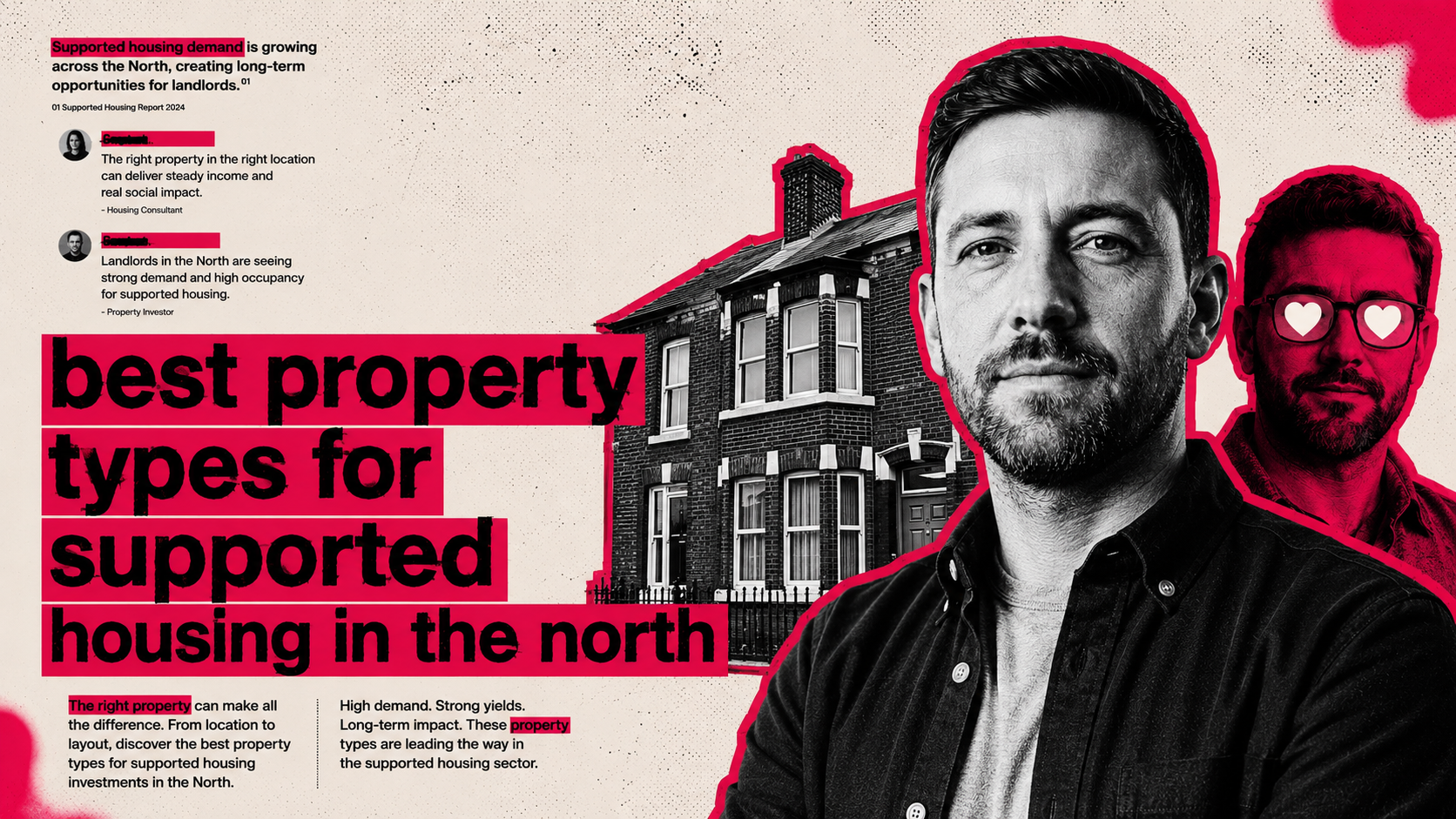
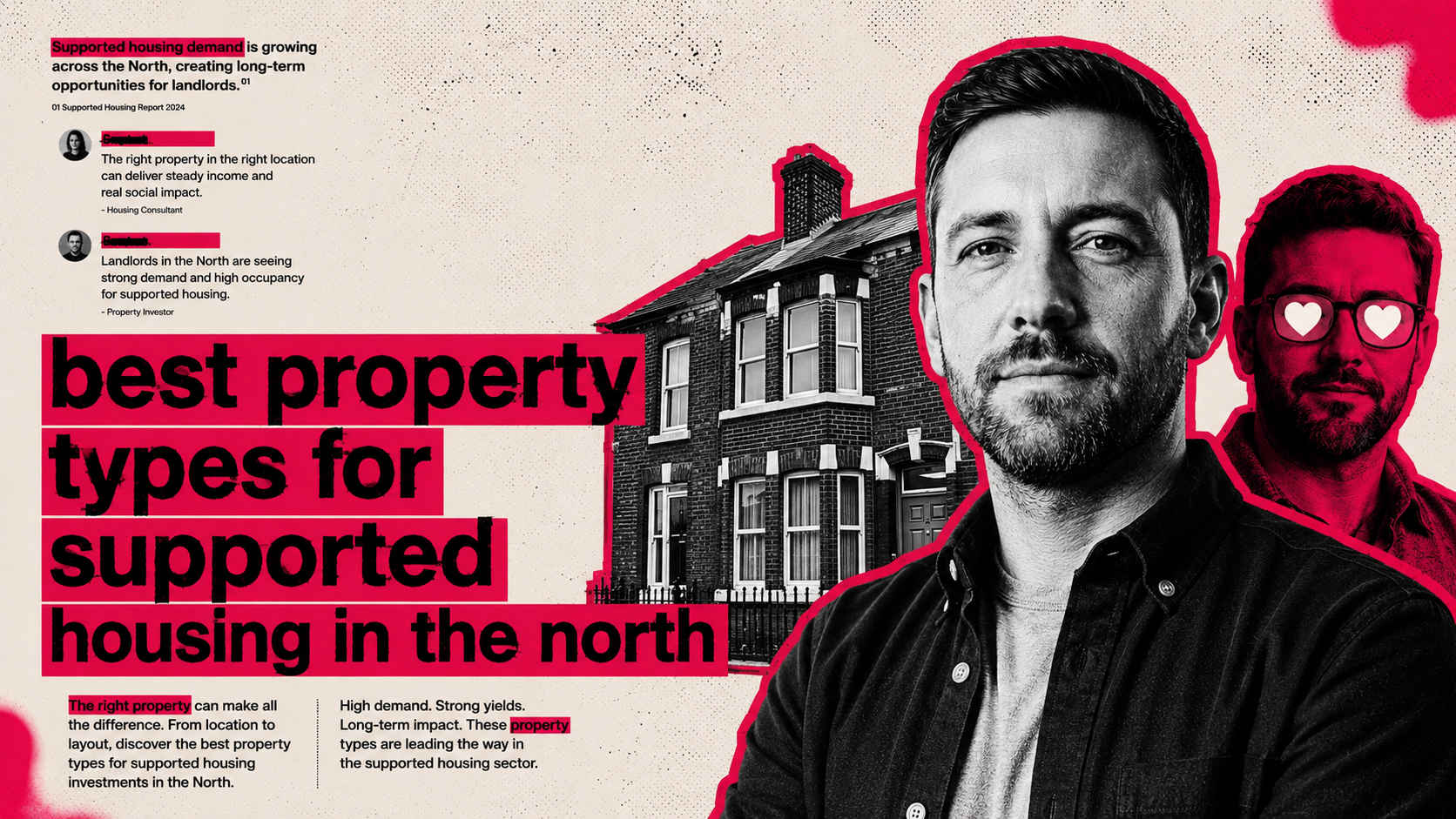
Different property types can work for supported housing, depending on the need in the area and the property’s suitability.
Below are some of the property types Citywide Housing may consider.
1. HMOs
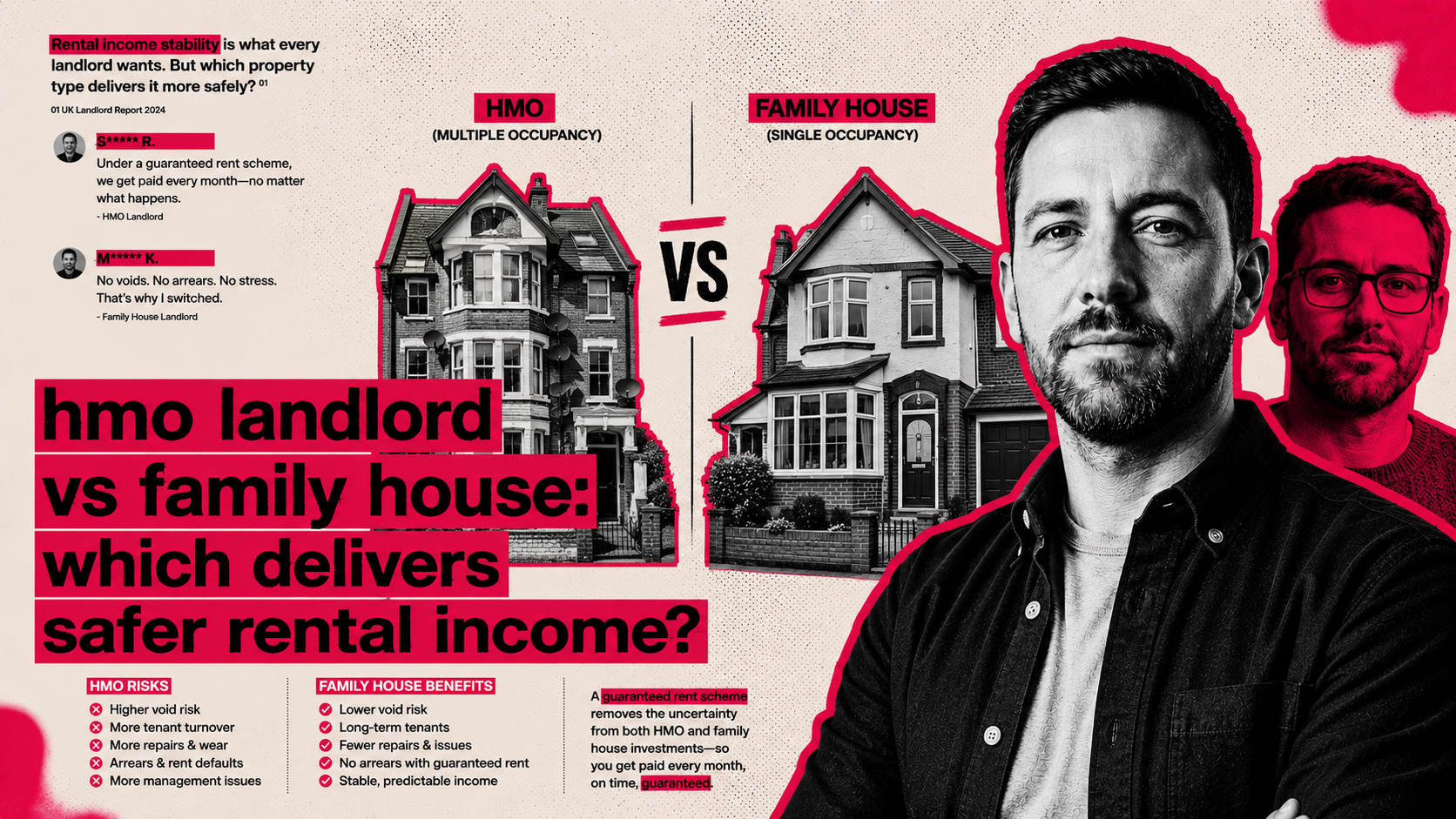
HMOs can be suitable where there is demand for shared accommodation and the property is compliant.
An HMO may work well if it has:
- Suitable bedroom sizes
- Safe communal spaces
- Good fire safety arrangements
- Correct licensing where required
- Appropriate kitchen and bathroom facilities
- Good access to local amenities
- A layout that supports safe occupation
For HMO landlords, supported housing can reduce room-by-room uncertainty.
Instead of managing individual room lets, landlords may be able to lease the property under a longer-term commercial arrangement.
This can help reduce:
- Room voids
- Arrears
- Repairs
- Occupant issues
- Re-letting pressure
- Daily management stress
For more landlord information, visit:
https://www.citywidehousing.co.uk/landlords/
2. Blocks of Flats
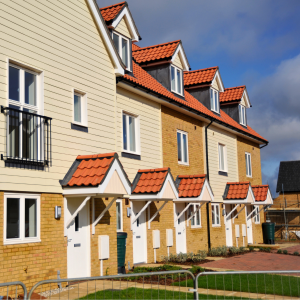
Blocks of flats can be attractive for supported housing where the layout, access and location are suitable.
A block of flats may be useful because it can provide multiple self-contained units in one place.
This can make it easier to support housing provision where there is demand for individual living spaces.
A suitable block may include:
- Self-contained flats
- Safe entrances and communal areas
- Good fire safety arrangements
- Suitable access
- Adequate facilities
- Good property condition
- Proximity to transport, shops and services
For landlords, blocks of flats can work well under a commercial lease because the arrangement may provide a more stable income structure across multiple units.
Instead of dealing with several individual tenancies, landlords may have a clearer lease arrangement and agreed rent.
3. Family Houses
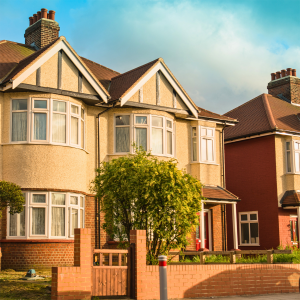
Family houses can also be suitable for supported housing, depending on local need and property layout.
A family house may work where there is demand for safe, comfortable residential accommodation.
Suitable family houses often have:
- Good bedroom sizes
- Safe internal layout
- Adequate kitchen and bathroom facilities
- Good property condition
- Access to local amenities
- Suitable transport links
- Outdoor space where helpful
For landlords with family houses, supported housing can provide an alternative to traditional private letting.
This may be useful if the landlord is tired of:
- Tenant turnover
- Late rent
- Repair calls
- Empty periods
- Letting agent fees
- Day-to-day management
A family house that is well located and compliant may be worth assessing.
4. Self-Contained Flats
Self-contained flats can be suitable where independent living space is needed.
These properties can appeal because each unit has its own facilities, which may include:
- Bedroom or sleeping area
- Kitchen
- Bathroom
- Living space
- Private entrance or shared secure access
A self-contained flat may be considered if it is safe, compliant and in a suitable area.
For landlords, flats can provide a more straightforward property type than larger HMOs, especially where the layout is already suitable.
Under a guaranteed rent model, landlords may benefit from agreed monthly income without the usual tenant-related stress.
5. Larger Residential Properties
Larger residential properties may be suitable where they can be adapted or prepared for the right housing use.
These could include:
- Large family houses
- Former guest houses
- Larger HMOs
- Mixed residential properties
- Properties with multiple bedrooms
- Properties with flexible layouts
However, larger properties need careful assessment.
Citywide Housing will usually need to consider:
- Layout
- Fire safety
- Bedroom sizes
- Communal facilities
- Compliance
- Location
- Cost of any required works
- Suitability for the intended use
A larger property can offer strong potential, but it must be safe, compliant and practical.