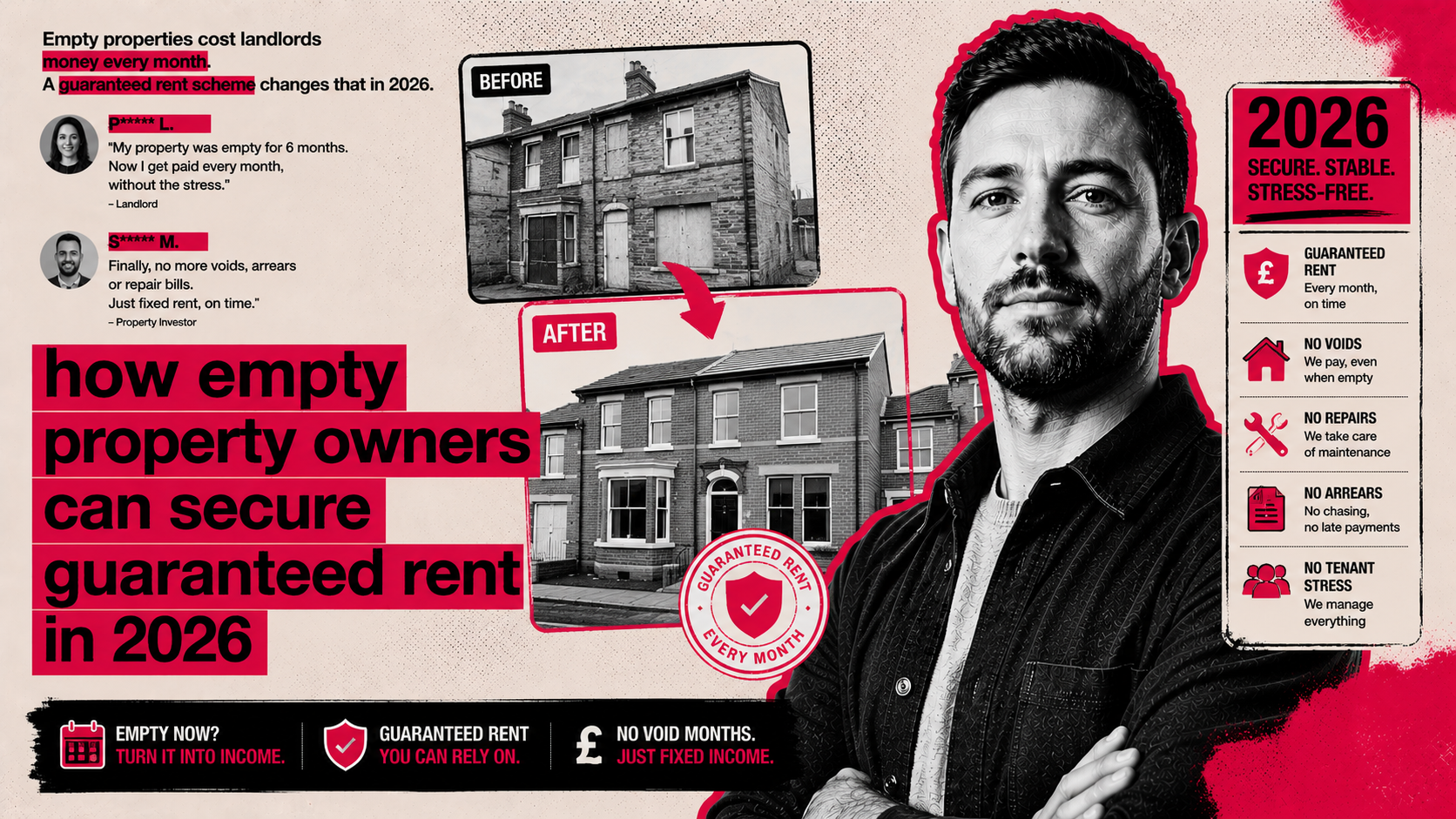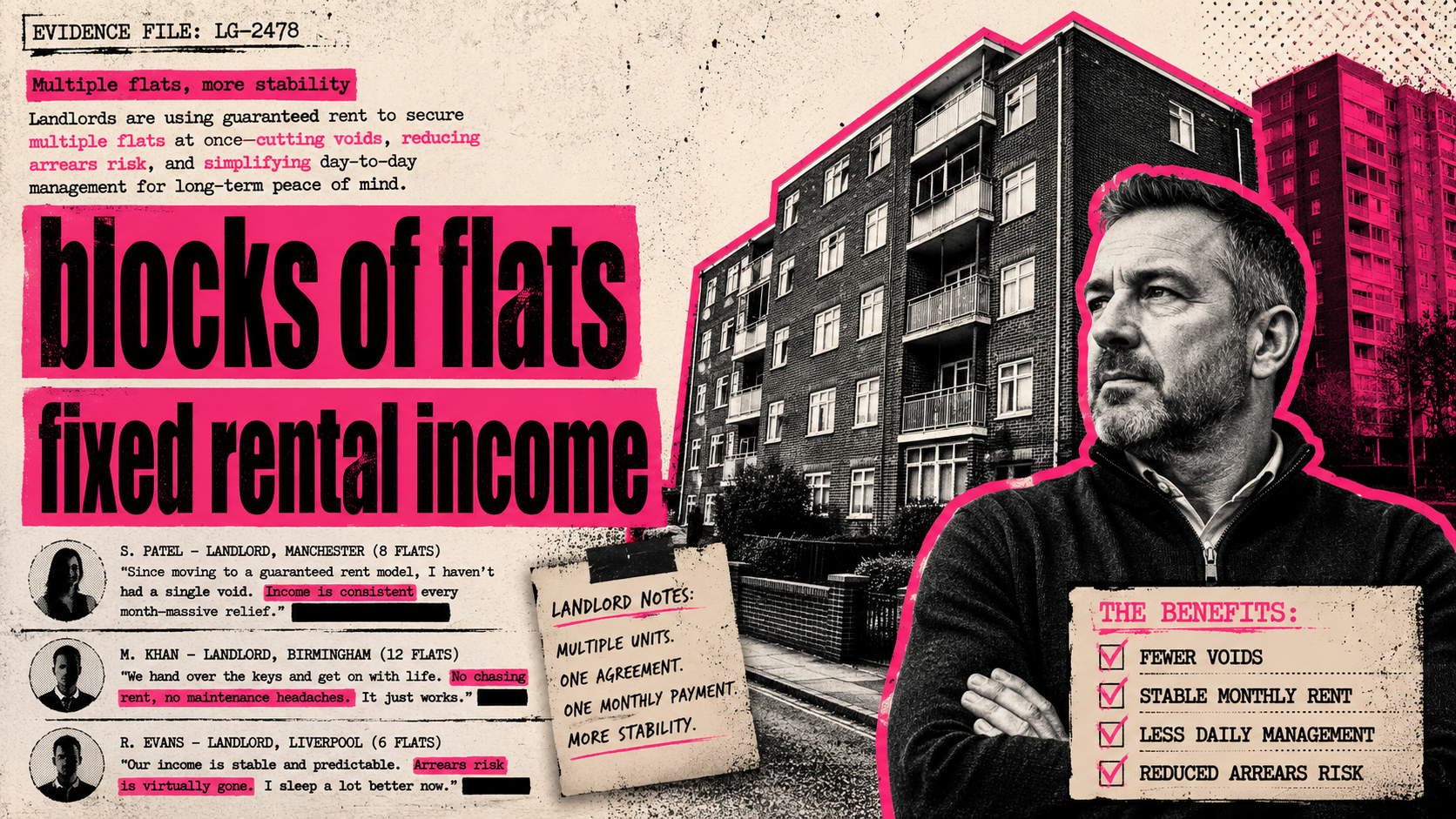






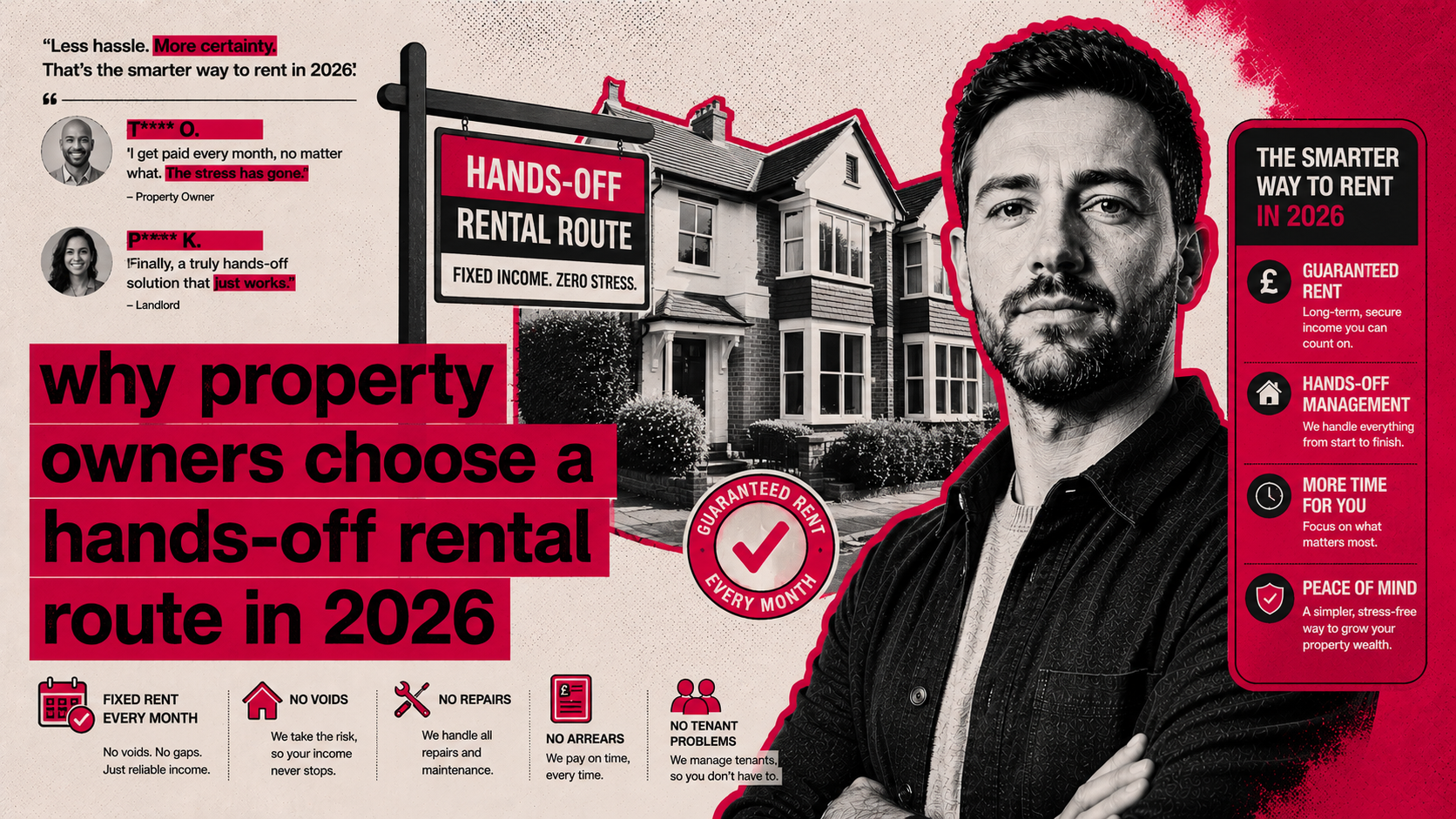
Before entering social housing agreements, landlords should understand lease terms, income structure, and responsibilities. When set up correctly, social housing combined with a guaranteed rent scheme offers stable, long-term income with minimal management.
Social housing agreements are becoming an increasingly popular option for landlords seeking stable, hands-off income. However, before entering into any agreement, it is important to understand how these arrangements work and what they involve. A clear understanding of lease terms, responsibilities, and income structure helps landlords avoid risk and make informed decisions.
Before committing to social housing, landlords should carefully review the structure of the agreement.
Lease terms
Most social housing agreements involve long-term leasing arrangements. Understanding the duration and renewal conditions is essential for long-term planning.
Rental income structure
Landlords should confirm how rent is paid, whether it is fixed, and whether it is supported by a guaranteed rent scheme.
Responsibilities and obligations
Agreements should clearly define who is responsible for maintenance, compliance, and property management.
Property use
It is important to understand how the property will be used and managed during the lease period.
In our experience, landlords who fully understand these elements are far more confident and successful when entering social housing agreements.
Social housing agreements typically involve leasing a property to a housing provider for a fixed term.
Instead of renting to individual tenants, the landlord enters into a structured agreement where:
This model is often supported by guaranteed rent, ensuring landlords receive income regardless of tenant circumstances. To understand how guaranteed rent protects your income, you can read our guide here:
https://www.citywidehousing.co.uk/how-a-rent-guarantee-scheme-protects-your-rental-income/
This structure provides a predictable and low-maintenance approach to property investment.
While social housing offers many advantages, there are common mistakes landlords should avoid before entering an agreement.
Not reviewing lease terms in detail
Failing to fully understand the lease can lead to confusion about responsibilities and expectations.
Focusing only on rent level
Landlords should consider stability and risk reduction, not just headline rental figures.
Overlooking maintenance responsibilities
Clear agreements on repairs and compliance are essential to avoid future disputes.
Not understanding exit options
Landlords should know what happens at the end of the lease and any conditions for renewal or termination.
Guidance from organisations such as the National Residential Landlords Association highlights the importance of understanding agreements and responsibilities before entering into property arrangements:
https://www.nrla.org.uk/
Avoiding these mistakes helps landlords maximise the benefits of social housing.
Choosing the right partner is a key factor in the success of a social housing agreement.
Landlords should look for:
In addition, it is important that the partner operates in line with recognised housing standards. Organisations such as the Chartered Institute of Housing provide guidance on professional housing management and best practices:
https://www.cih.org/
In our experience, working with a structured and experienced provider ensures a smoother and more reliable long-term arrangement.
At Citywide Housing Group, we remove the stress of compliance by:
Step 1: Get in Touch
Contact us today by phone or complete our online form to schedule a free, no-obligation property consultation.
Step 2: Property Assessment
We’ll visit your property to assess its condition, provide recommendations for any necessary improvements, and ensure it meets all required standards.
Step 3: Compliance & Handover
We manage the entire compliance process, carry out any necessary repairs, and arrange for an inventory check before officially handing over the property.
Step 4: Consistent Rent Begins
Once everything is in place, we take care of the property management, and you’ll start receiving consistent rent every month.
Social housing agreements offer a stable and structured way for landlords to secure long-term rental income. However, understanding the details of the agreement is essential to ensure the right fit for your property and investment goals. By reviewing lease terms, responsibilities, and income structure, landlords can move forward with confidence.
At Citywide Housing Group, we specialise in helping landlords secure guaranteed income with long-term leases. Our approach ensures:
Full Property Management: From tenant management to maintenance, we take care of everything so you don’t have to.
Compliance and Legal Support: We ensure that all your properties meet legal requirements and comply with housing standards.
No Hidden Fees: We believe in transparency, with no surprise costs—what we agree on is what you get.
Local Expertise: Our team is familiar with the Bradford housing market, ensuring you get the best returns for your property.
Social housing agreements are long-term leases where landlords rent their property to a housing provider instead of individual tenants.
Many agreements are supported by guaranteed rent schemes, providing consistent payments regardless of occupancy.
Landlords should review lease terms, rental structure, responsibilities, and exit conditions before committing.
Yes, they are typically structured as long-term leases to provide stability for both landlords and housing providers.
If you’re ready to secure fixed, reliable income with no voids or arrears, it’s time to join the growing number of landlords in Bradford benefiting from guaranteed rent schemes.
Contact Citywide Housing Group today to schedule your free property assessment and discover how we can help you unlock the potential of your property.
For more information, visit Citywide Housing or call us at 0113 323 0678.


Join our email mailing list to receive weekly tips, industry insights + more.

TL;DR Before entering social housing agreements, landlords should understand lease terms, income structure,

TL;DR The renters rights act is forcing landlords to rethink property management decisions

TL;DR Social housing appeals to risk-averse landlords because it reduces exposure to voids,
Fill out the form for a free consultation call and let us take care of your property, hassle-free.