






Citywide Housing

How the Renters Rights Act Affects Rent Increases

TL;DR

The renters rights act is expected to limit how and when landlords can increase rent, making income growth less predictable. Many landlords are turning to guaranteed rent schemes and long-term leasing to maintain stable and consistent rental income.

What’s in This Article:

  • Introduction
  • How the Renters Rights Act Changes Rent Increases
  • Why Rent Control Is a Growing Concern for Landlords
  • The Impact on Long-Term Rental Income
  • How Landlords Are Adapting Their Strategy
  • FAQs: Renters Rights Act and Rent Increases
  • Conclusion

Introduction

The renters rights act is introducing changes that affect how landlords manage rental income, including how rent increases are handled. With greater protections for tenants and increased regulation, landlords may face more restrictions when adjusting rent. This shift is raising concerns about long-term income growth and financial planning across the rental sector.

How the Renters Rights Act Changes Rent Increases

The renters rights act is expected to create a more controlled environment for rent increases.

One of the key changes is the move towards periodic tenancies, which alters how and when landlords can adjust rent. Instead of increasing rent at the end of fixed-term agreements, landlords may need to follow stricter processes and provide formal notice.

There is also a stronger emphasis on fairness and transparency, which can limit how frequently rent can be increased. These changes are aligned with government guidance on renting and tenant rights, which aims to create more predictable and stable housing conditions:
https://www.gov.uk/

As a result, landlords may find it more difficult to respond quickly to market changes.

Why Rent Control Is a Growing Concern for Landlords

The renters rights act is increasing concern around rent control and income flexibility.

For landlords, the ability to adjust rent in line with market conditions is essential for maintaining profitability. However, with more restrictions in place, this flexibility may be reduced.

Key concerns include:

  • Limits on how often rent can be increased
  • Delays in implementing new rental rates
  • Increased scrutiny over pricing decisions
  • Potential disputes with tenants over rent adjustments

In our experience, these factors can create uncertainty, particularly for landlords relying on rental income to cover rising costs.

Guidance from landlord organisations such as the National Residential Landlords Association highlights the importance of understanding rent regulation and planning accordingly:
https://www.nrla.org.uk/

The Impact on Long-Term Rental Income

Restrictions on rent increases can have a long-term impact on overall rental income.

If landlords are unable to adjust rent in line with inflation or market demand, their real income may decrease over time. This can affect:

  • Profit margins
  • Property maintenance budgets
  • Long-term investment returns

In addition, unpredictable tenancy durations can make it harder to plan when rent adjustments can take place.

These challenges are leading many landlords to reconsider how they structure their rental income, especially in a market where costs continue to rise.

How Landlords Are Adapting Their Strategy

To manage the impact of the renters rights act, landlords are increasingly adopting strategies that prioritise income stability over variable rent increases.

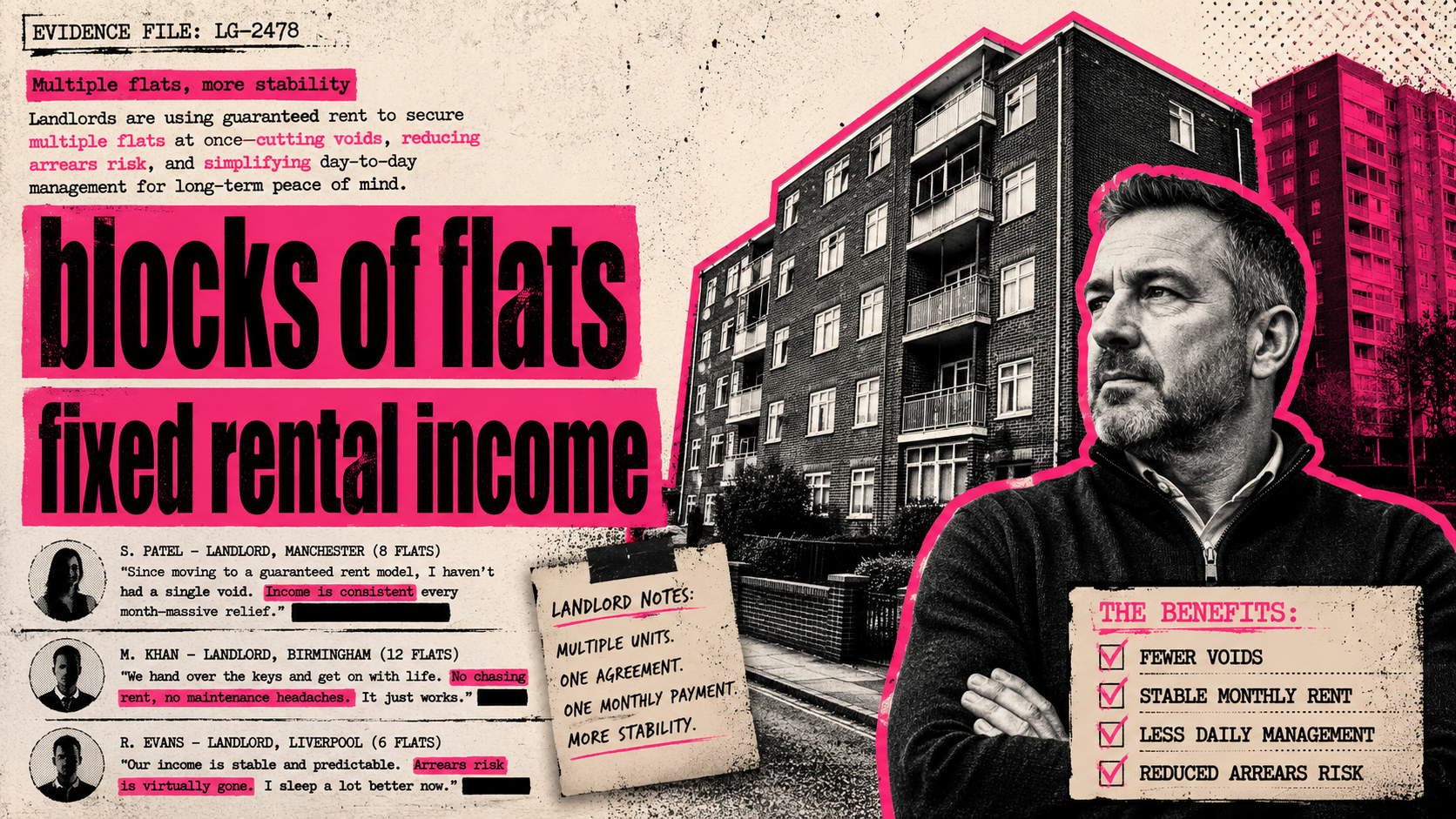
One of the most common approaches is using guaranteed rent schemes. These provide fixed, agreed payments over a set period, removing the need to rely on frequent rent adjustments.

This allows landlords to:

  • Secure consistent monthly income
  • Avoid uncertainty around rent increases
  • Reduce reliance on market fluctuations
  • Simplify long-term financial planning

Landlords can explore how guaranteed rent supports income stability in more detail here:
https://www.citywidehousing.co.uk/how-a-rent-guarantee-scheme-protects-your-rental-income/

In addition, long-term leasing arrangements are becoming more popular, as they provide structured agreements that focus on predictable returns rather than variable pricing.

How CHG Handles Compliance for You

At Citywide Housing Group, we remove the stress of compliance by:

  • Applying for and maintaining your HMO licence
  • Arranging all safety inspections and certificate renewals
  • Carrying out repairs to meet council standards
  • Keeping your property ready for inspection at all times
  • Providing consistent monthly rent with no void periods

             
Landlord reviewing UK property compliance checklist with tenant documents

How Our Guaranteed Rent Scheme Works

Step 1: Get in Touch

Contact us today by phone or complete our online form to schedule a free, no-obligation property consultation.

Step 2: Property Assessment

We’ll visit your property to assess its condition, provide recommendations for any necessary improvements, and ensure it meets all required standards.

Step 3: Compliance & Handover

We manage the entire compliance process, carry out any necessary repairs, and arrange for an inventory check before officially handing over the property.

Step 4: Consistent Rent Begins

Once everything is in place, we take care of the property management, and you’ll start receiving consistent rent every month.

Conclusion

The renters rights act is changing how landlords approach rent increases, reducing flexibility and creating uncertainty around income growth. For landlords who want to maintain stable and predictable returns, structured solutions such as guaranteed rent and long-term leasing are becoming increasingly important.

How Citywide Housing Group Supports Landlords

At Citywide Housing Group, we specialise in helping landlords secure guaranteed income with long-term leases. Our approach ensures:

  • Full Property Management: From tenant management to maintenance, we take care of everything so you don’t have to.

  • Compliance and Legal Support: We ensure that all your properties meet legal requirements and comply with housing standards.

  • No Hidden Fees: We believe in transparency, with no surprise costs—what we agree on is what you get.

  • Local Expertise: Our team is familiar with the Bradford housing market, ensuring you get the best returns for your property.

Landlord ensuring rental property safety with smoke alarms.

FAQs: Renters Rights Act and Rent Increases

It introduces stricter rules around how and when rent can be increased, making the process more regulated.

Yes, but they must follow formal procedures and may face limitations on frequency and timing.

Restrictions may make income growth slower and less predictable, especially if costs continue to rise.

Many landlords use guaranteed rent schemes or long-term leasing to secure fixed and predictable income.

How to Get Started with Citywide Housing Group

If you’re ready to secure fixed, reliable income with no voids or arrears, it’s time to join the growing number of landlords in Bradford benefiting from guaranteed rent schemes.

Contact Citywide Housing Group today to schedule your free property assessment and discover how we can help you unlock the potential of your property.


For more information, visit Citywide Housing or call us at 0113 323 0678.

Share

Did you enjoyed this article?

Join our email mailing list to receive weekly tips, industry insights + more. 

Email Mailing List Sign Up

Discover Relevant Articles and Resources

Ready to Secure Your Guaranteed Rent?

Fill out the form for a free consultation call and let us take care of your property, hassle-free.

Book a Free Consultation Call

We are only accepting inquiries from landlords. Thank you for understanding.

Book a Free Call to Discuss Your Eligibility for Guaranteed Rent

Book a Free Call to Discuss Your Eligibility for Guaranteed Rent

Book a Free Consultation Call

We are only accepting inquiries from landlords. Thank you for understanding.