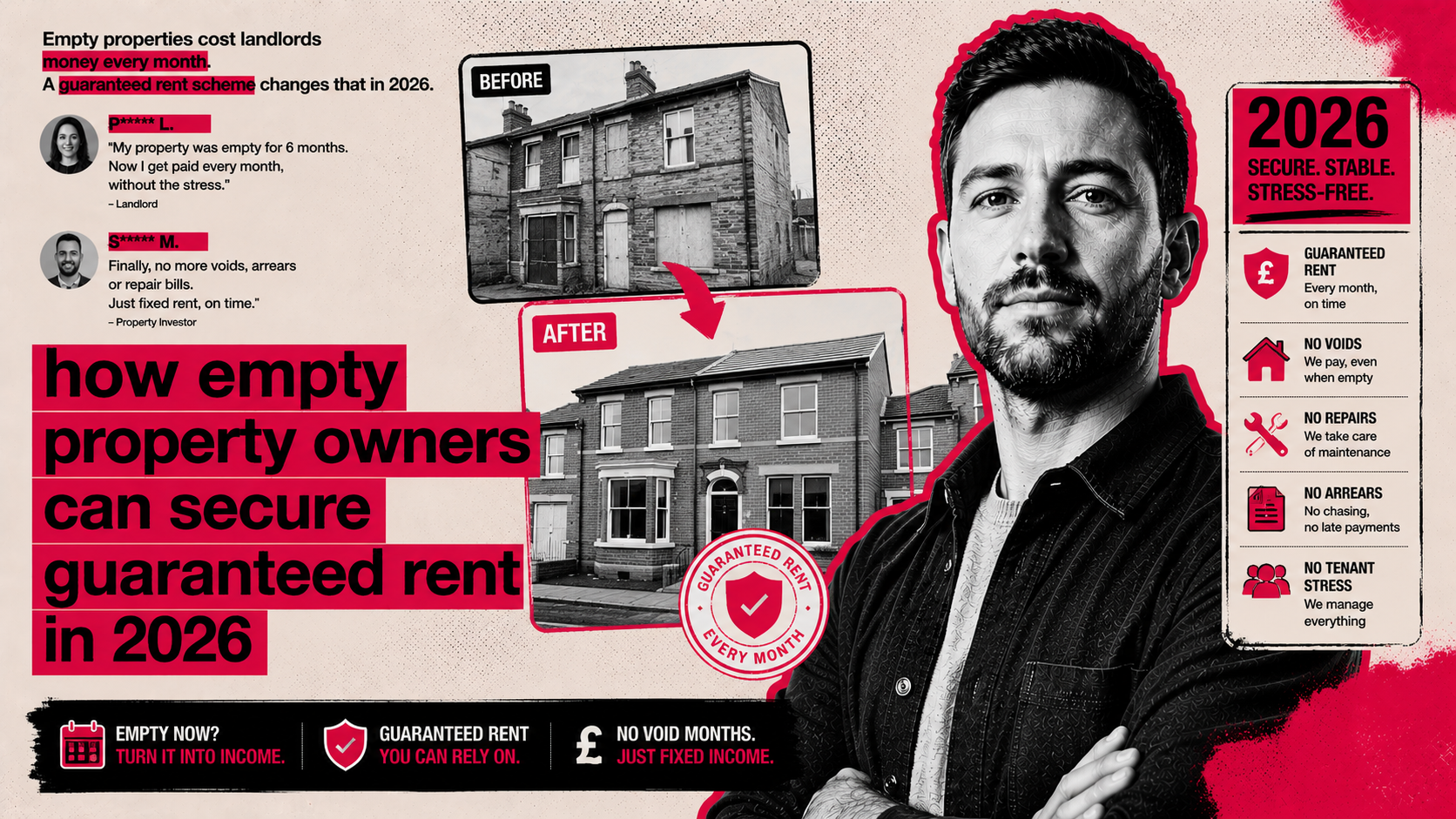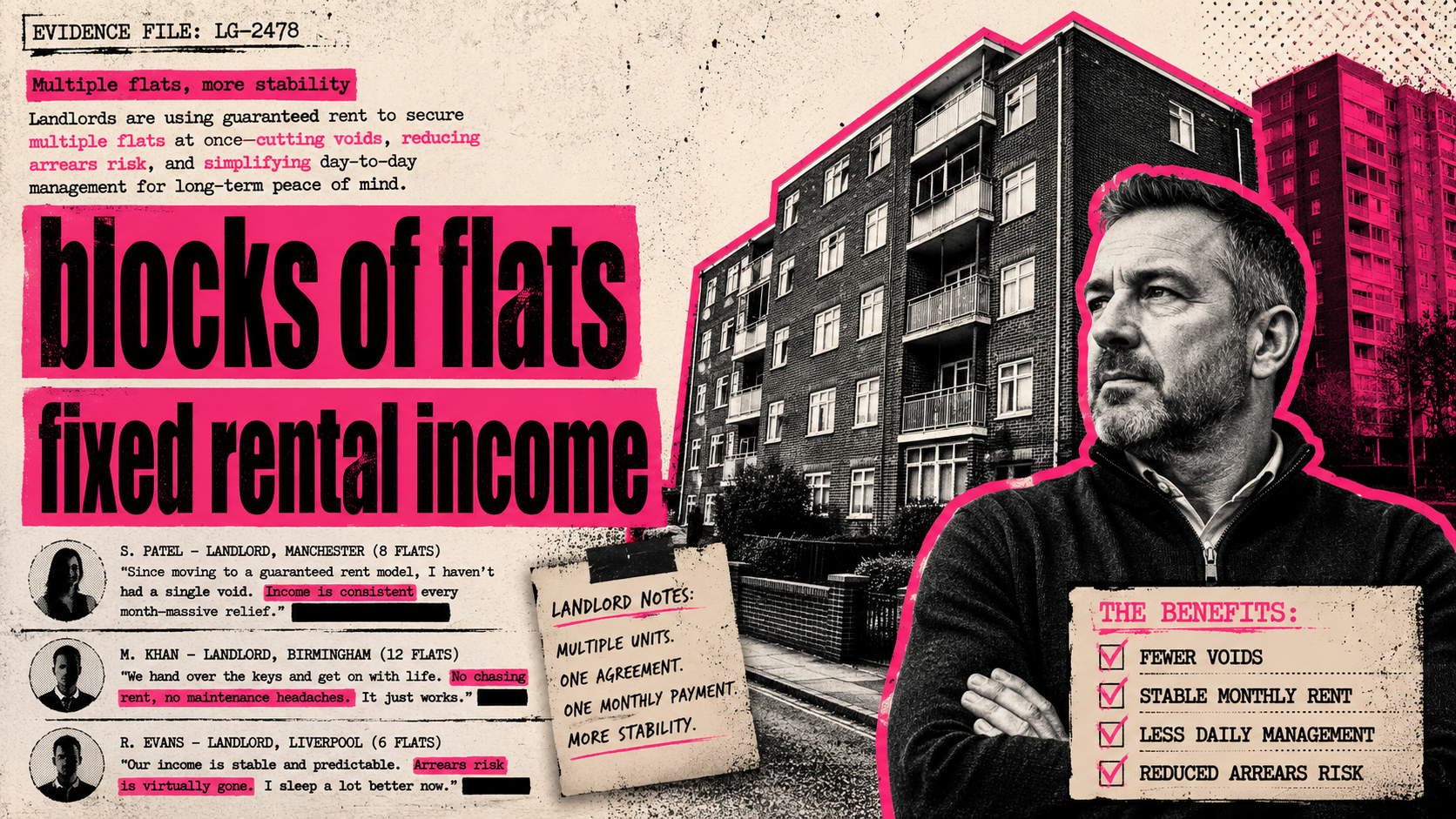






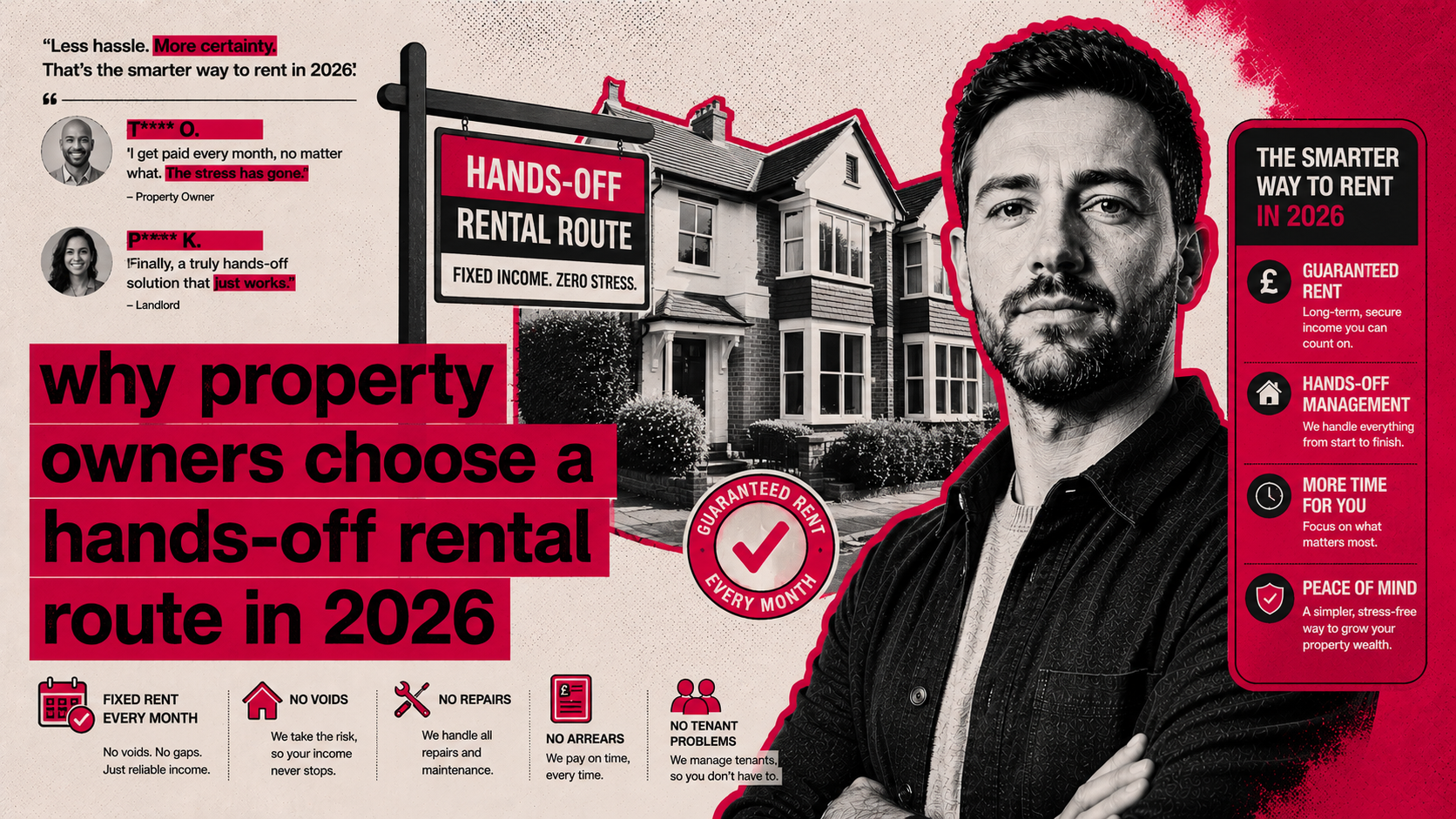
Social housing is increasingly seen as a more stable alternative to buy-to-let in 2026. While buy-to-let can offer higher short-term returns, social housing provides consistent income, reduced risk, and long-term security when combined with guaranteed rent schemes.
Landlords in 2026 are facing a very different rental market compared to previous years. Increased regulation, tenant protections, and economic pressures are making traditional buy-to-let more complex and less predictable. As a result, many landlords are now comparing buy-to-let with social housing to determine which strategy offers better long-term returns and stability.
Buy-to-let remains one of the most common property investment strategies, where landlords rent directly to tenants for monthly income.
However, the model is becoming more challenging due to:
Landlords must also stay compliant with evolving legal standards and safety requirements, as outlined in UK government guidance for rental properties:
https://www.gov.uk/
While buy-to-let can still generate income, it often requires more active involvement and carries higher risk.
Social housing offers a different approach by focusing on long-term leasing and structured income.
Instead of renting to individual tenants, landlords lease their properties to housing providers. These agreements typically run for several years and provide consistent rental payments.
Key features include:
This model is often supported by guaranteed rent arrangements, ensuring landlords receive income regardless of tenant occupancy. Landlords can learn more about how guaranteed rent works here:
https://www.citywidehousing.co.uk/how-a-rent-guarantee-scheme-protects-your-rental-income/
In our experience, this structure offers greater financial certainty compared to traditional buy-to-let.
The main difference between social housing and buy-to-let lies in how income is generated and managed.
With buy-to-let, landlords depend on individual tenants, which can lead to fluctuations in income due to arrears, voids, or disputes.
With social housing, income is structured through long-term agreements, reducing uncertainty and creating consistency.
In practical terms:
These differences are becoming more important as the rental market continues to evolve.
The right strategy depends on the landlord’s priorities.
Buy-to-let may suit landlords who:
Social housing is often better suited for landlords who:
As regulations increase and market conditions change, many landlords are shifting towards social housing as a more sustainable strategy.
Industry organisations such as the Chartered Institute of Housing continue to highlight the importance of structured housing solutions in meeting long-term demand:
https://www.cih.org/
In our experience, landlords who prioritise stability over short-term gains often find social housing to be the more reliable option.
At Citywide Housing Group, we remove the stress of compliance by:
Step 1: Get in Touch
Contact us today by phone or complete our online form to schedule a free, no-obligation property consultation.
Step 2: Property Assessment
We’ll visit your property to assess its condition, provide recommendations for any necessary improvements, and ensure it meets all required standards.
Step 3: Compliance & Handover
We manage the entire compliance process, carry out any necessary repairs, and arrange for an inventory check before officially handing over the property.
Step 4: Consistent Rent Begins
Once everything is in place, we take care of the property management, and you’ll start receiving consistent rent every month.
In 2026, landlords are increasingly weighing the benefits of social housing against traditional buy-to-let. While buy-to-let can still generate income, it often comes with higher risk and greater involvement. Social housing offers a more stable and predictable alternative, particularly when combined with guaranteed rent and long-term leasing.
At Citywide Housing Group, we specialise in helping landlords secure guaranteed income with long-term leases. Our approach ensures:
Full Property Management: From tenant management to maintenance, we take care of everything so you don’t have to.
Compliance and Legal Support: We ensure that all your properties meet legal requirements and comply with housing standards.
No Hidden Fees: We believe in transparency, with no surprise costs—what we agree on is what you get.
Local Expertise: Our team is familiar with the Bradford housing market, ensuring you get the best returns for your property.
For landlords focused on stability and reduced risk, social housing is often considered a better long-term strategy.
In many cases, yes. Social housing arrangements are often combined with guaranteed rent schemes.
Rising costs, regulation, and tenant risks are making buy-to-let more challenging for some landlords.
Social housing typically requires less day-to-day involvement compared to buy-to-let.
If you’re ready to secure fixed, reliable income with no voids or arrears, it’s time to join the growing number of landlords in Bradford benefiting from guaranteed rent schemes.
Contact Citywide Housing Group today to schedule your free property assessment and discover how we can help you unlock the potential of your property.
For more information, visit Citywide Housing or call us at 0113 323 0678.


Join our email mailing list to receive weekly tips, industry insights + more.

TL;DR Social housing is increasingly seen as a more stable alternative to buy-to-let

TL;DR The renters rights act is expected to limit how and when landlords

TL;DR Social housing works well for HMO landlords because it offers long-term leasing,
Fill out the form for a free consultation call and let us take care of your property, hassle-free.